
Your first premium watch is rarely just a technical purchase. It usually combines aesthetics, emotion, brand history, and a very practical question: will this model fit into my everyday life?
Start with how you wear it
Before you start comparing movements and reference numbers, think about the situations where you want the watch to accompany you. One model will work well with a suit, another while traveling, and yet another as a single, versatile everyday watch. Case diameter, thickness, lug-to-lug length, and the type of bracelet or strap are all important. Numbers help, but only trying it on reveals if the proportions are right.
Choose character, not just the logo
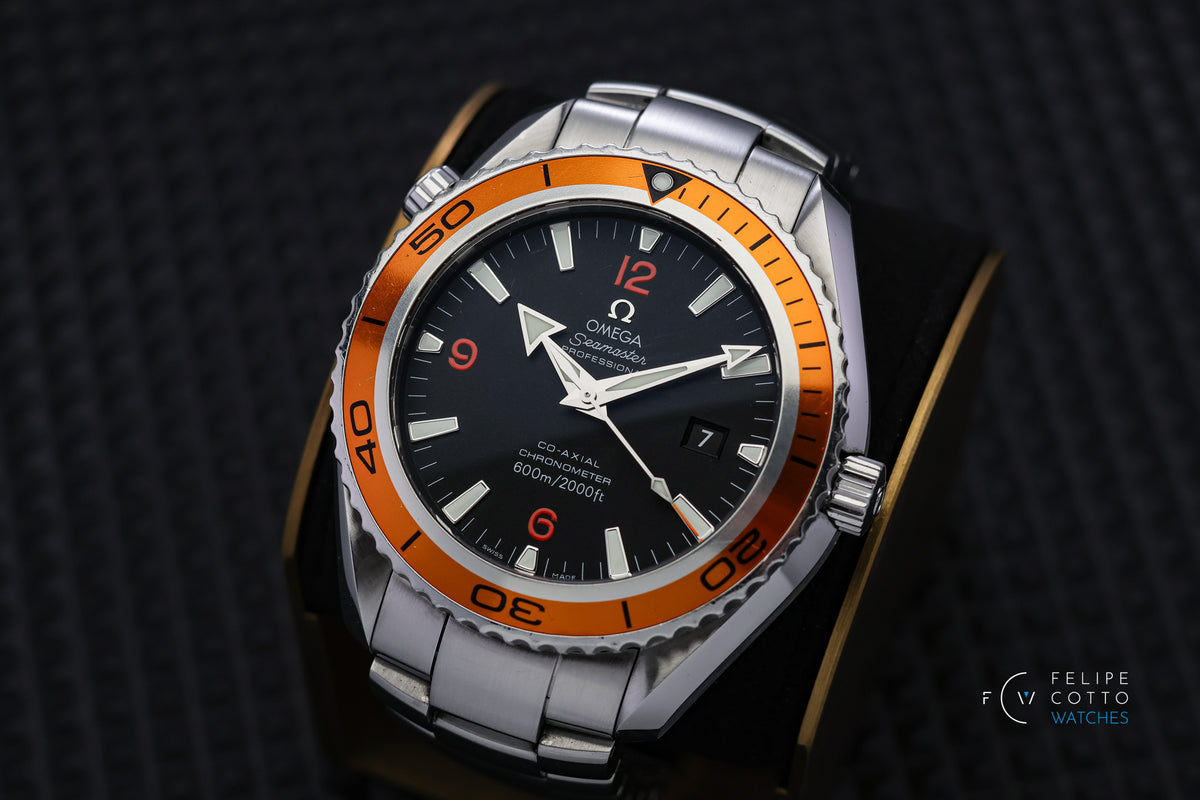
The Omega Seamaster, Rolex Datejust, IWC Portugieser, or Cartier Tank represent completely different design approaches. It is worth asking yourself whether you lean more toward sporty functionality, classic elegance, aviation instruments, or bold form. A good first choice doesn't have to be the most obvious model. It should be consistent with you.
Condition and origin matter
On the secondary market, two watches with the same reference can differ in value and quality. What matters is the condition of the dial, case, movement, and bracelet, as well as component consistency and service history. Original boxes and papers are an asset, but they do not replace a reliable verification of the watch itself.
Leave yourself room for change
Your first watch doesn't have to be your last. Over time, you will get to know your own preferences better and may want to move on to a different brand, complication, or era. That is exactly what the FCW Journey is about: you start from a good point, wear it, learn, and consciously develop your collection.
If you need help, tell us about your style, budget, and expectations. Instead of pointing to the loudest name, we will help you find a watch that makes sense on your wrist.