
OMEGA
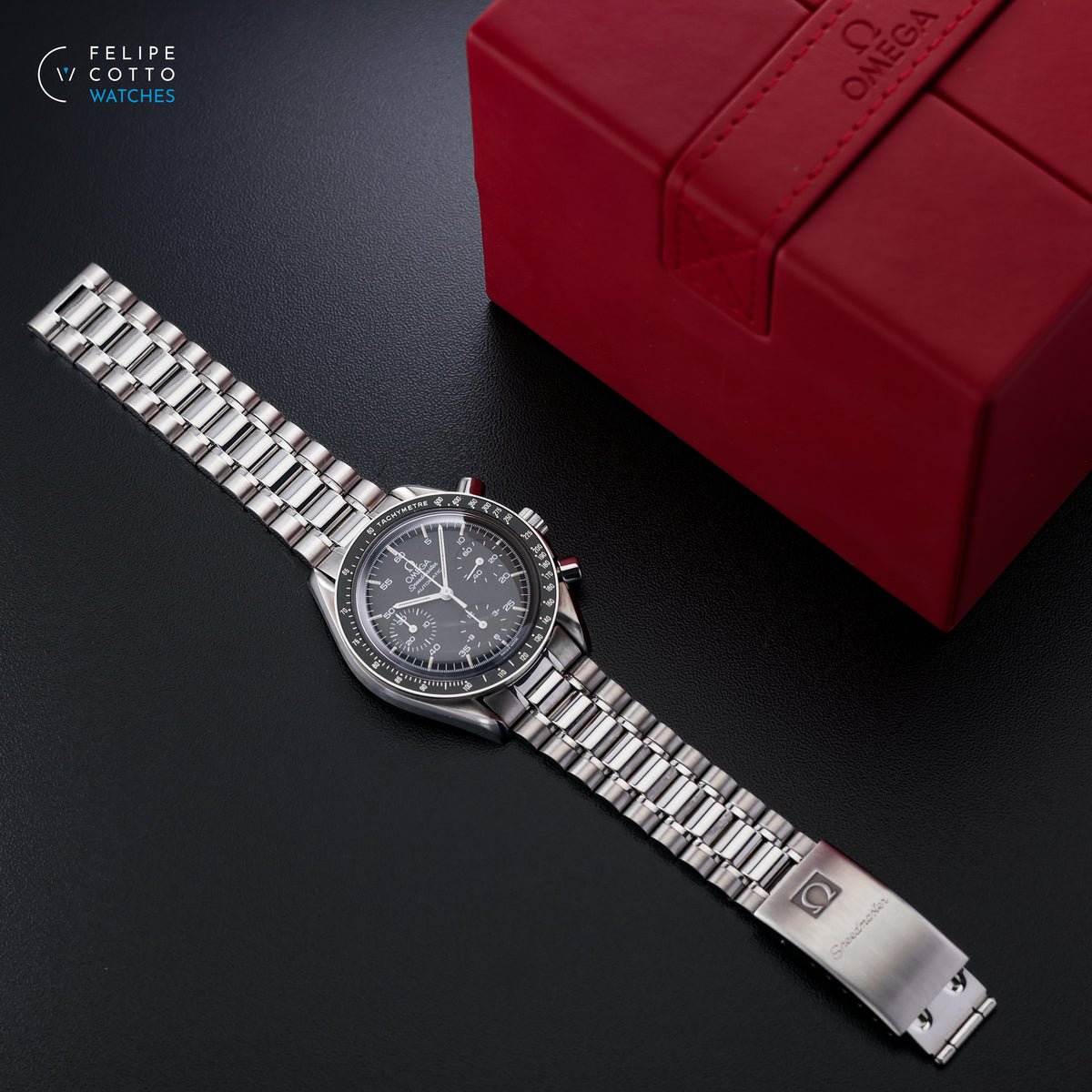
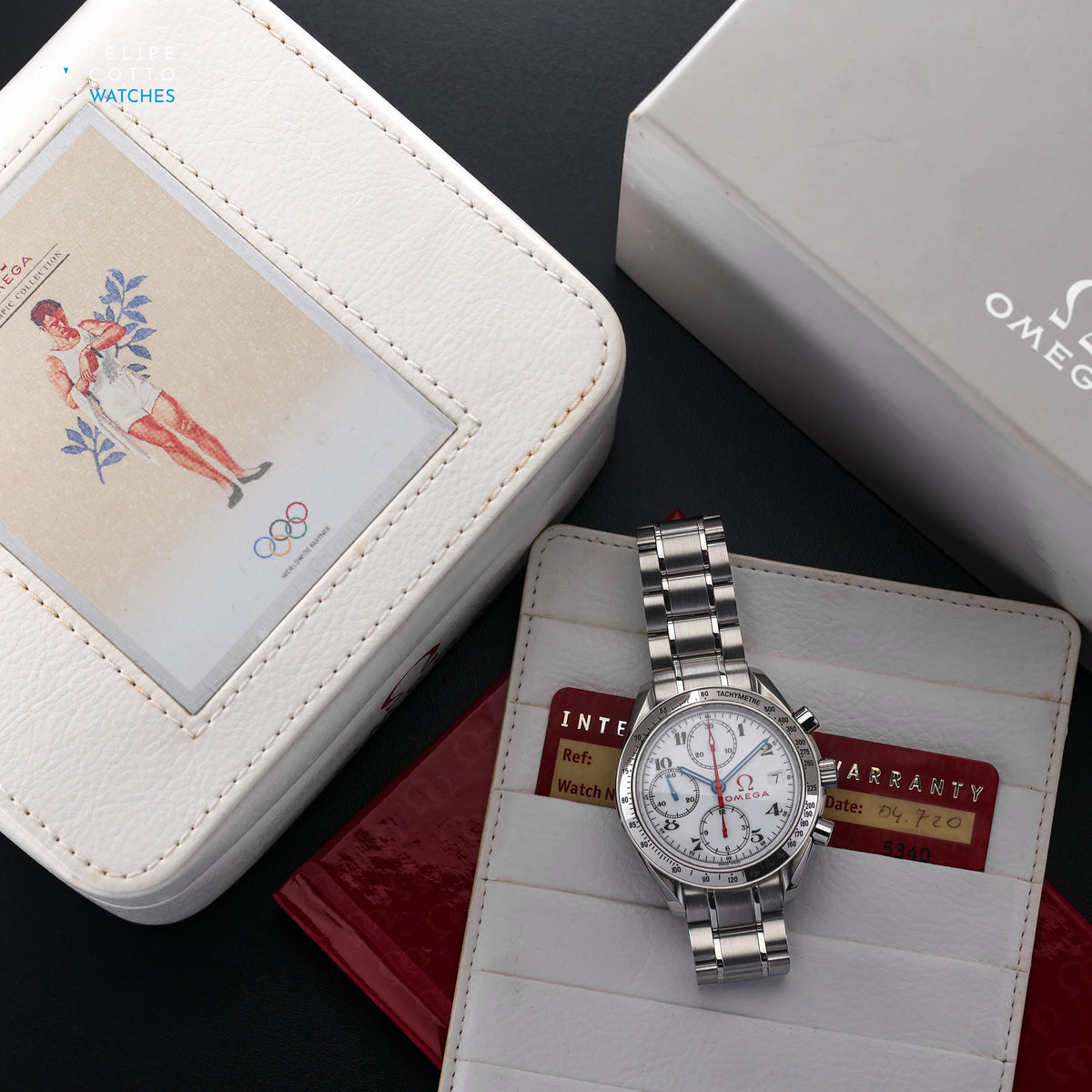
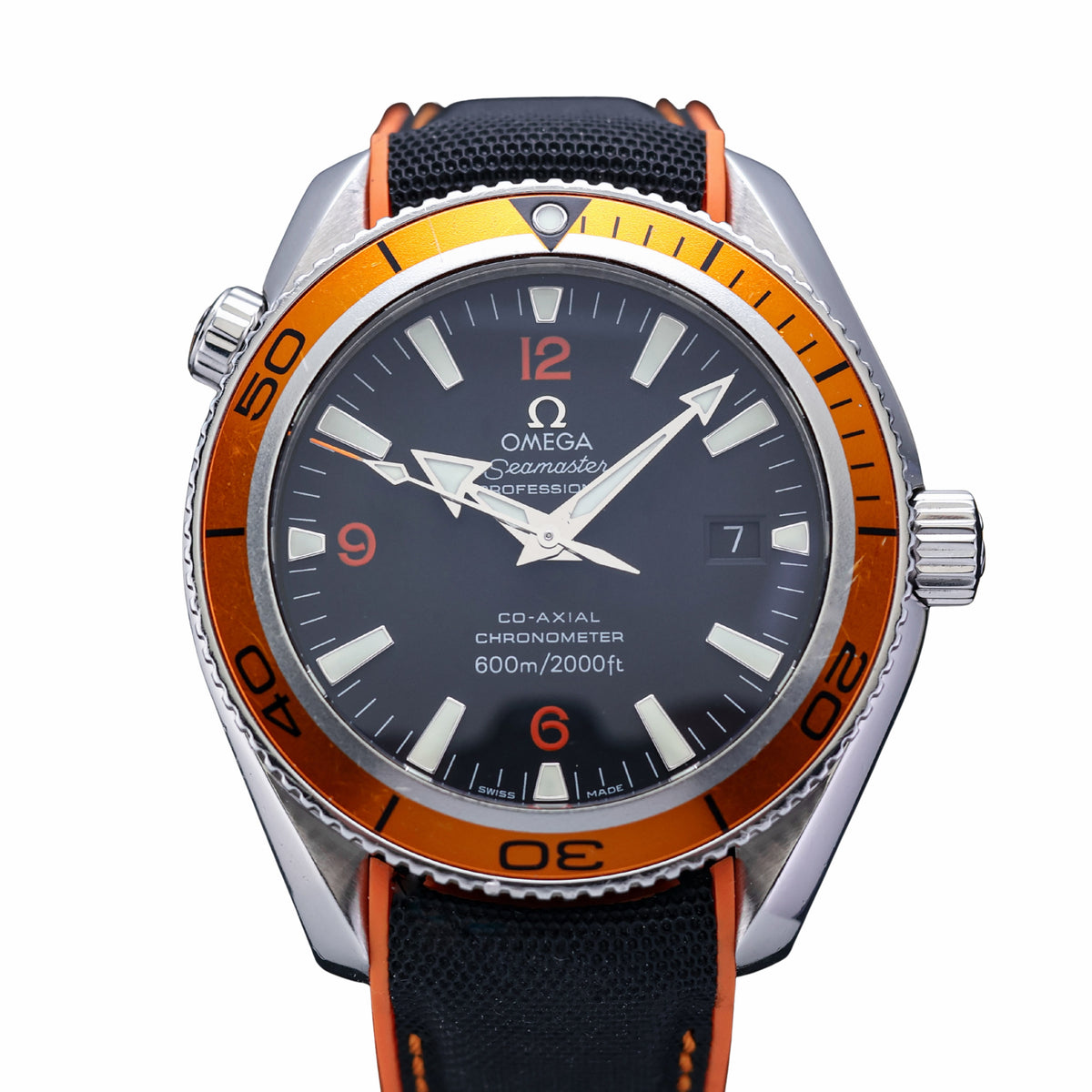
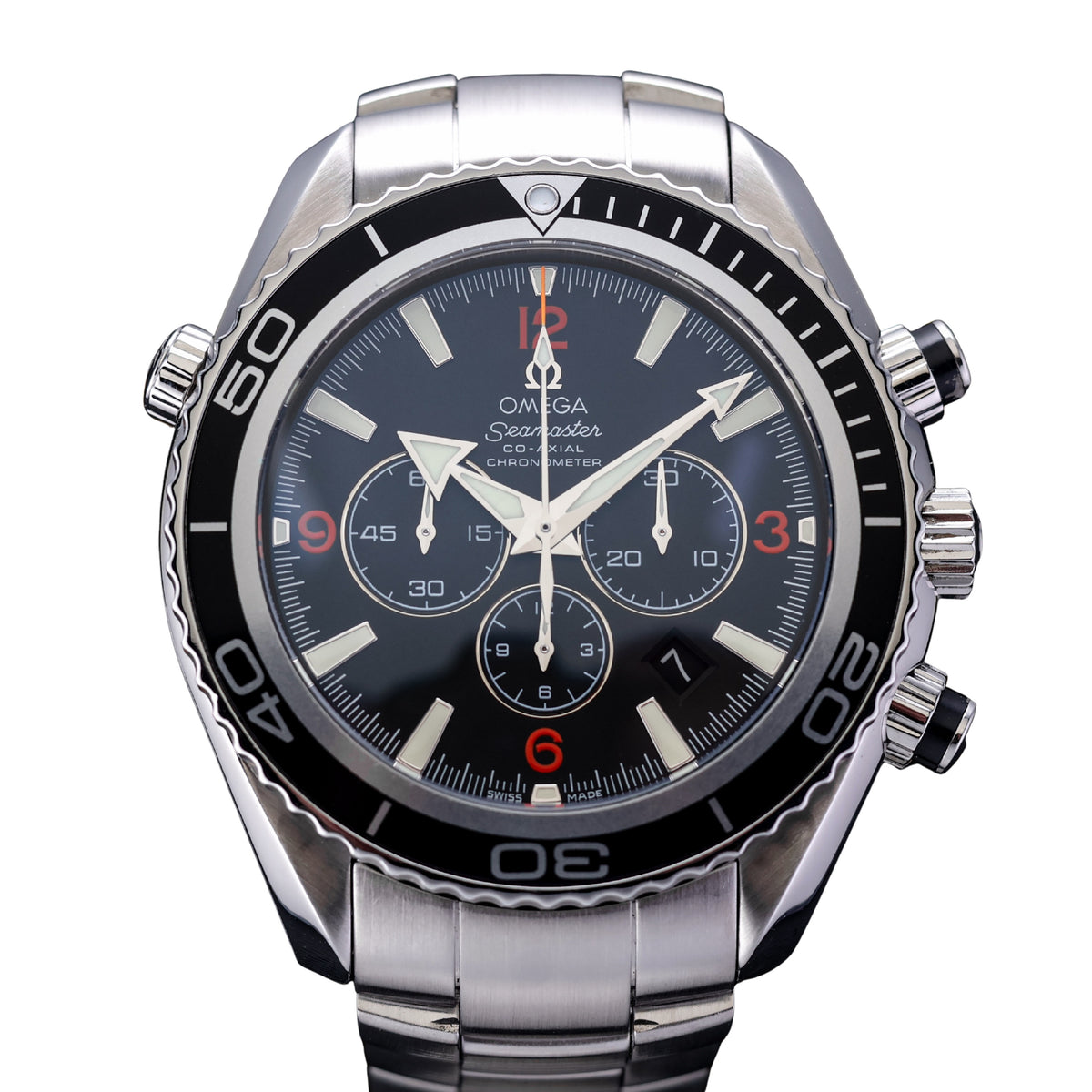
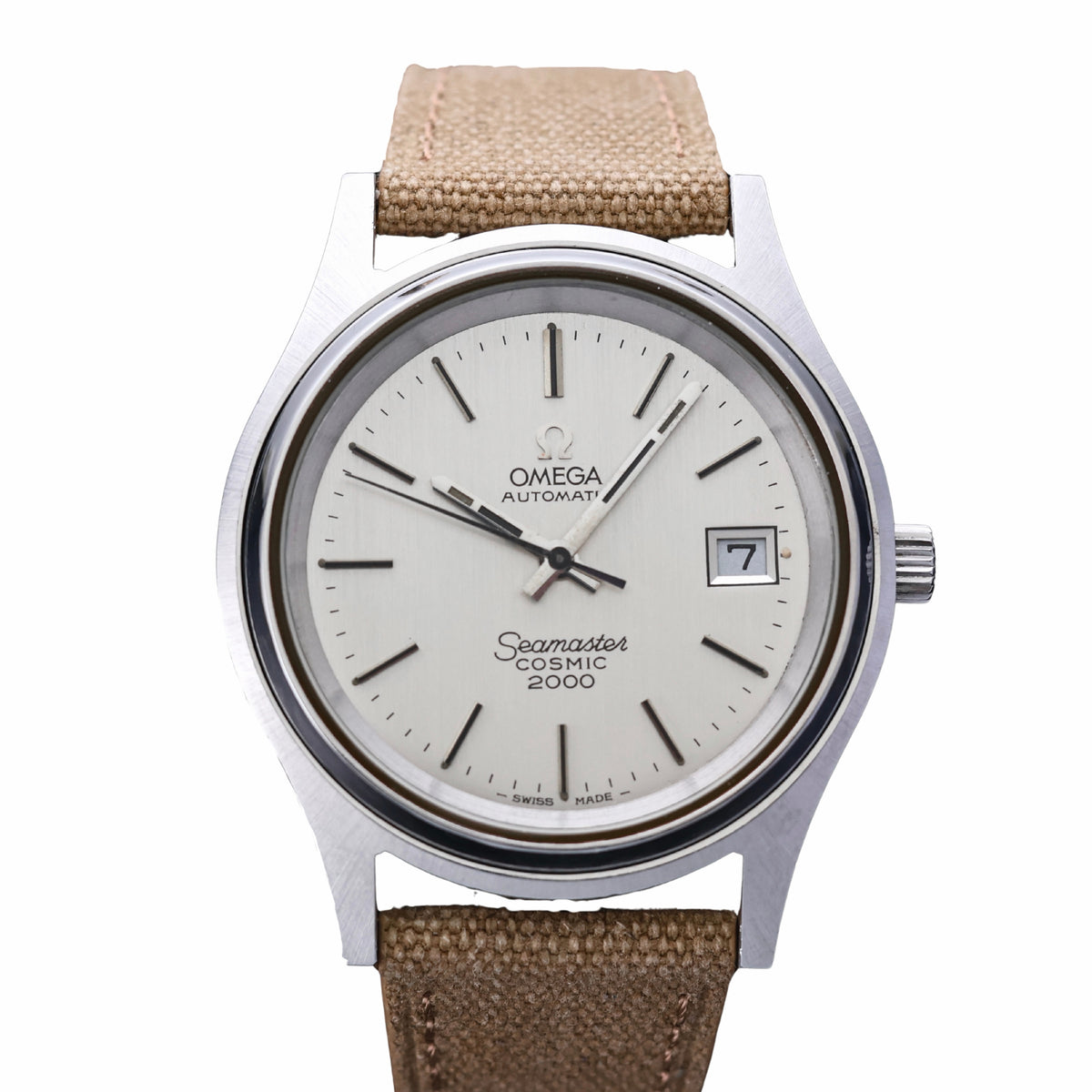
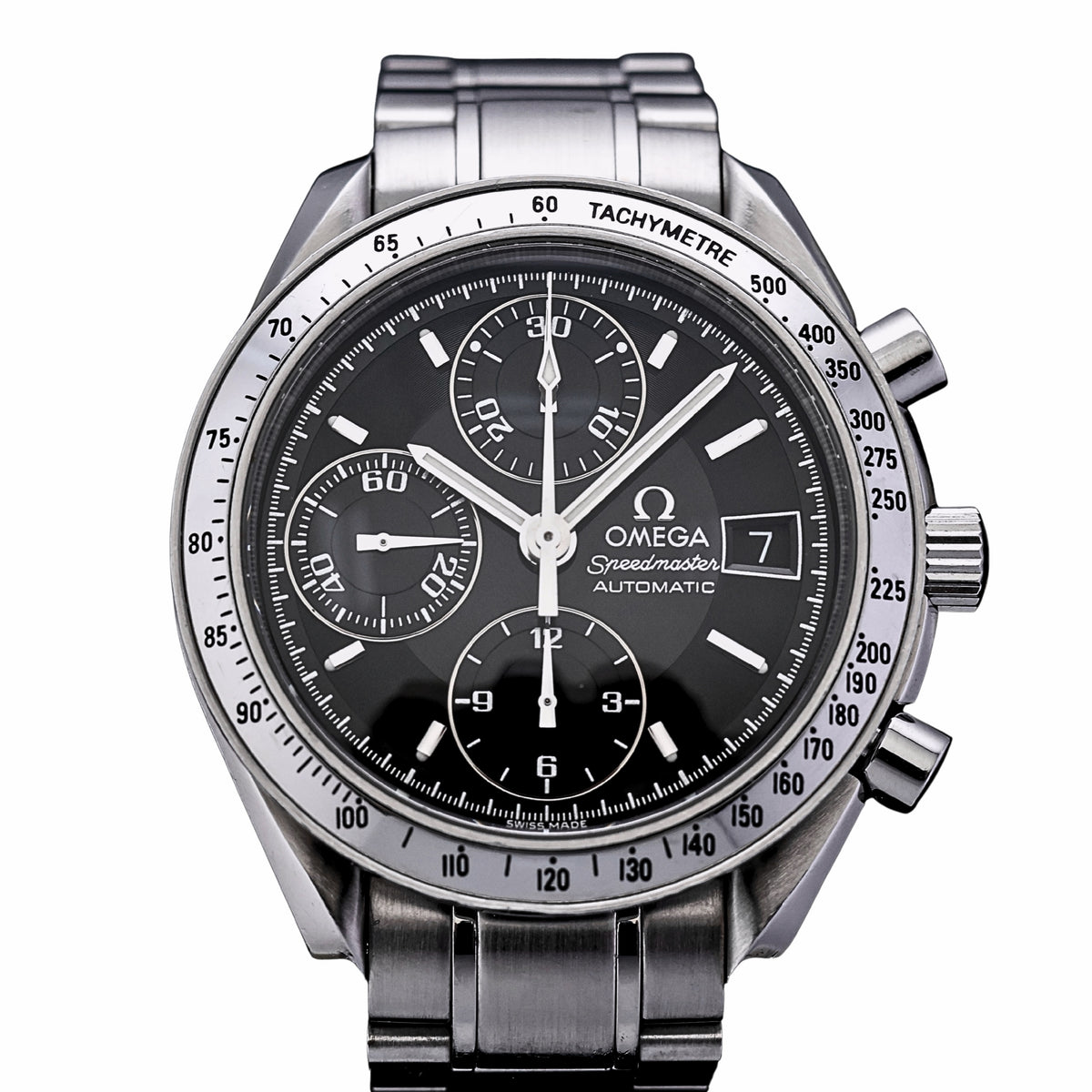
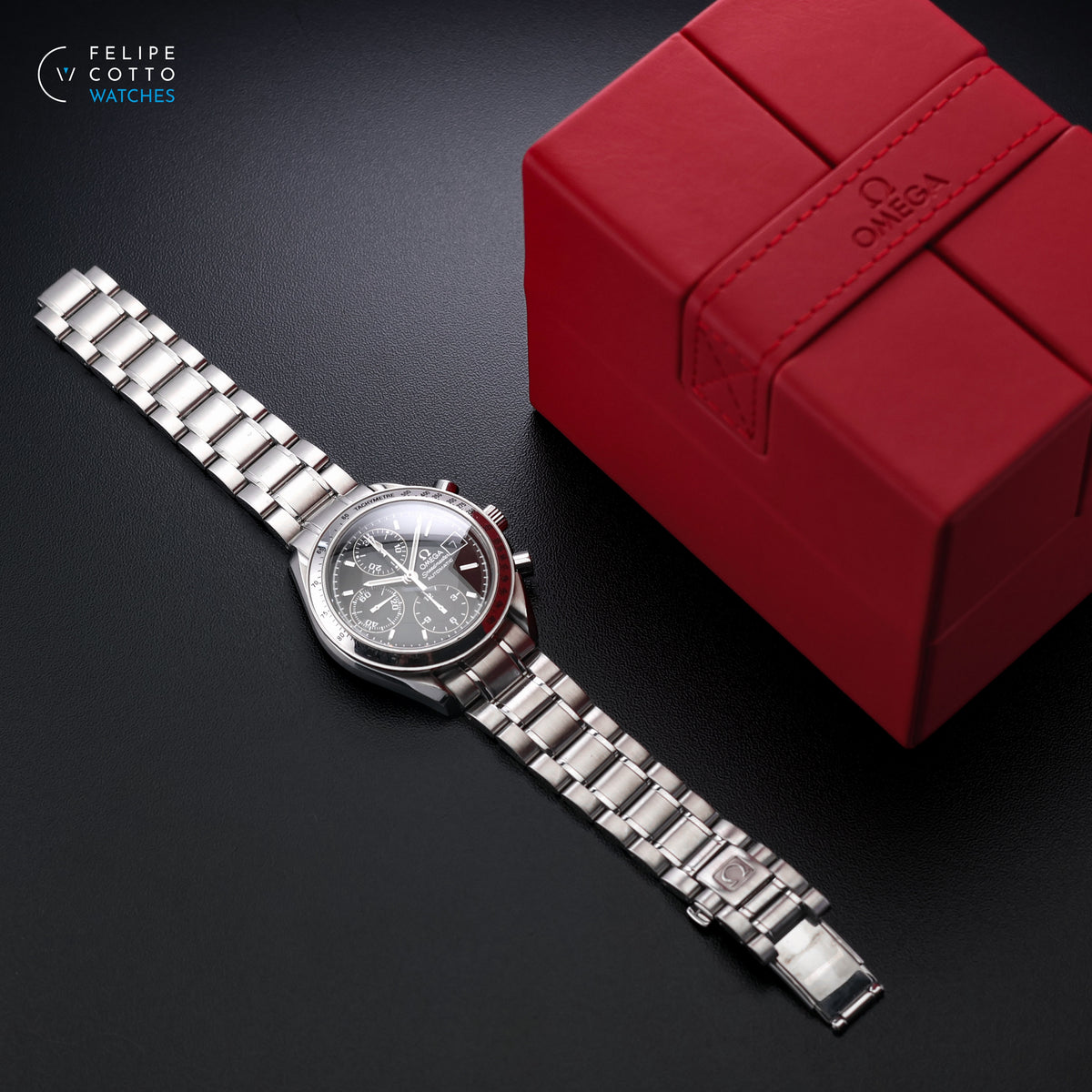
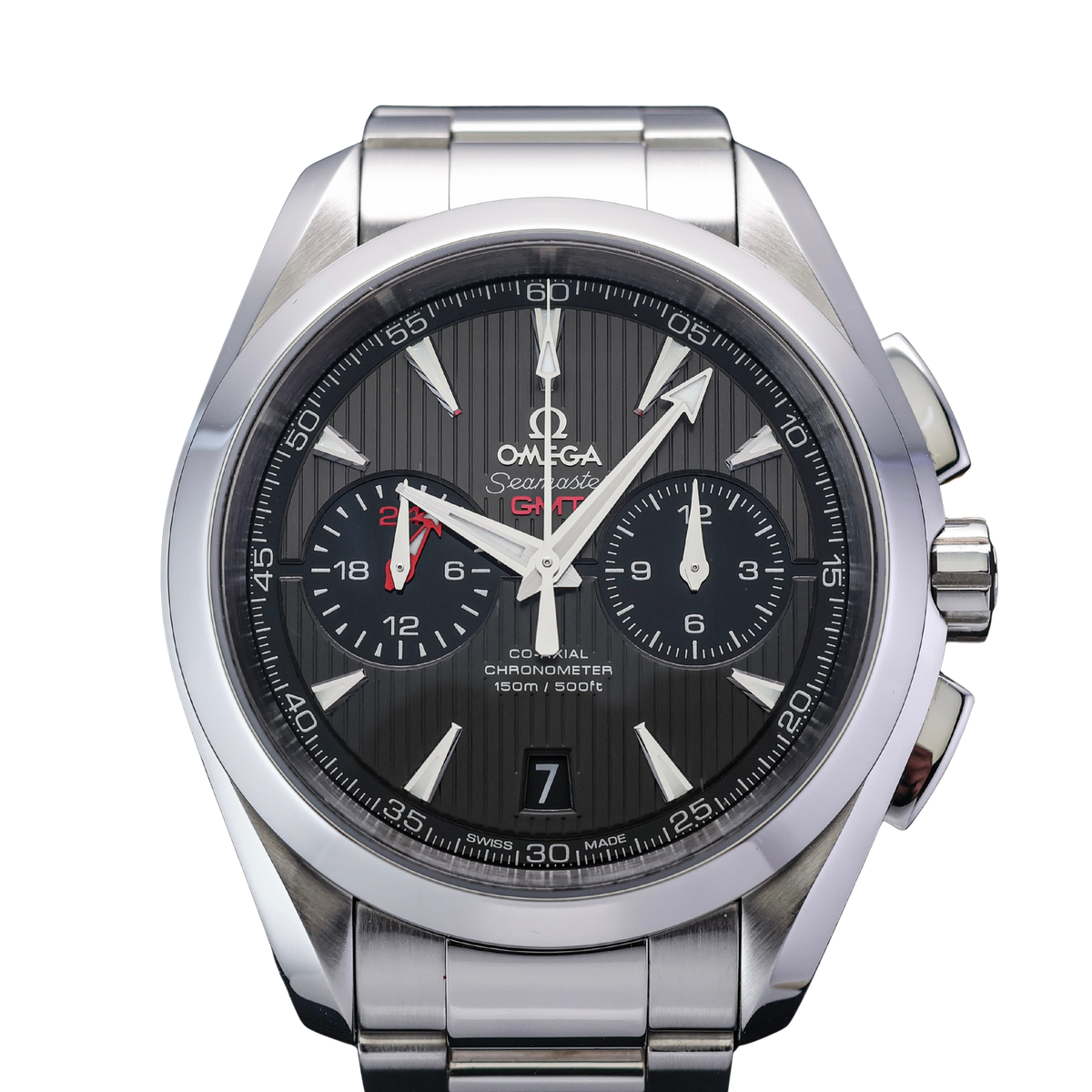
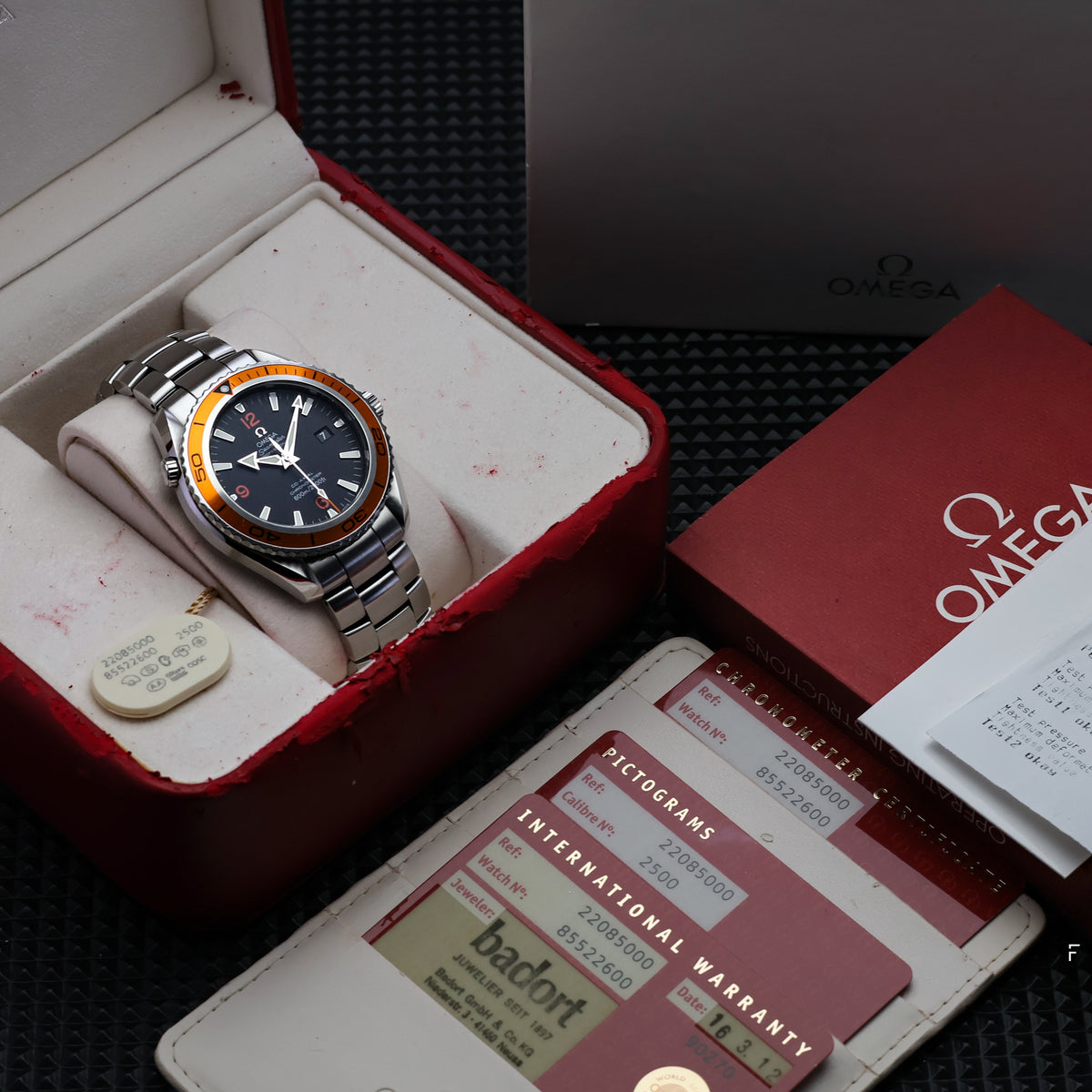
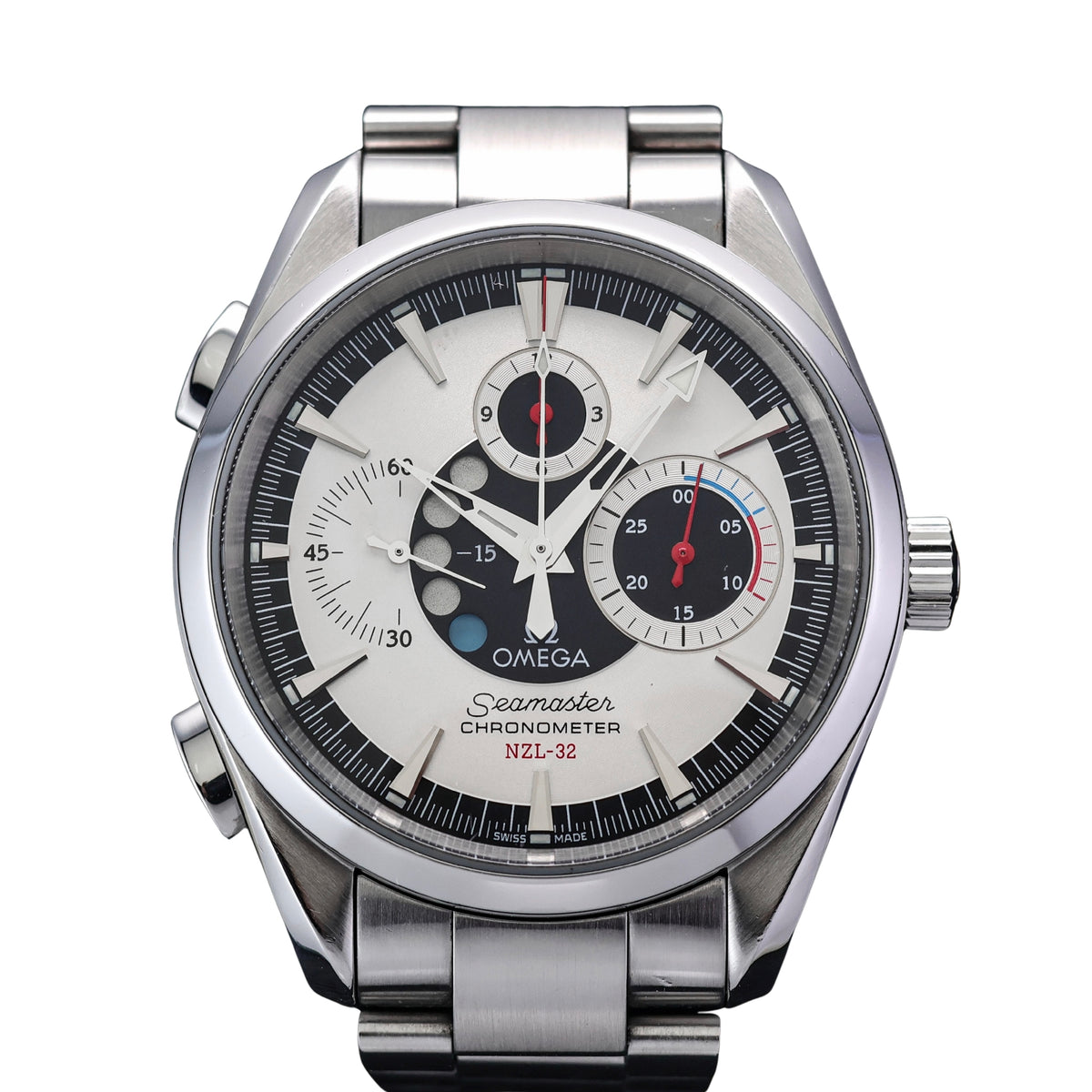
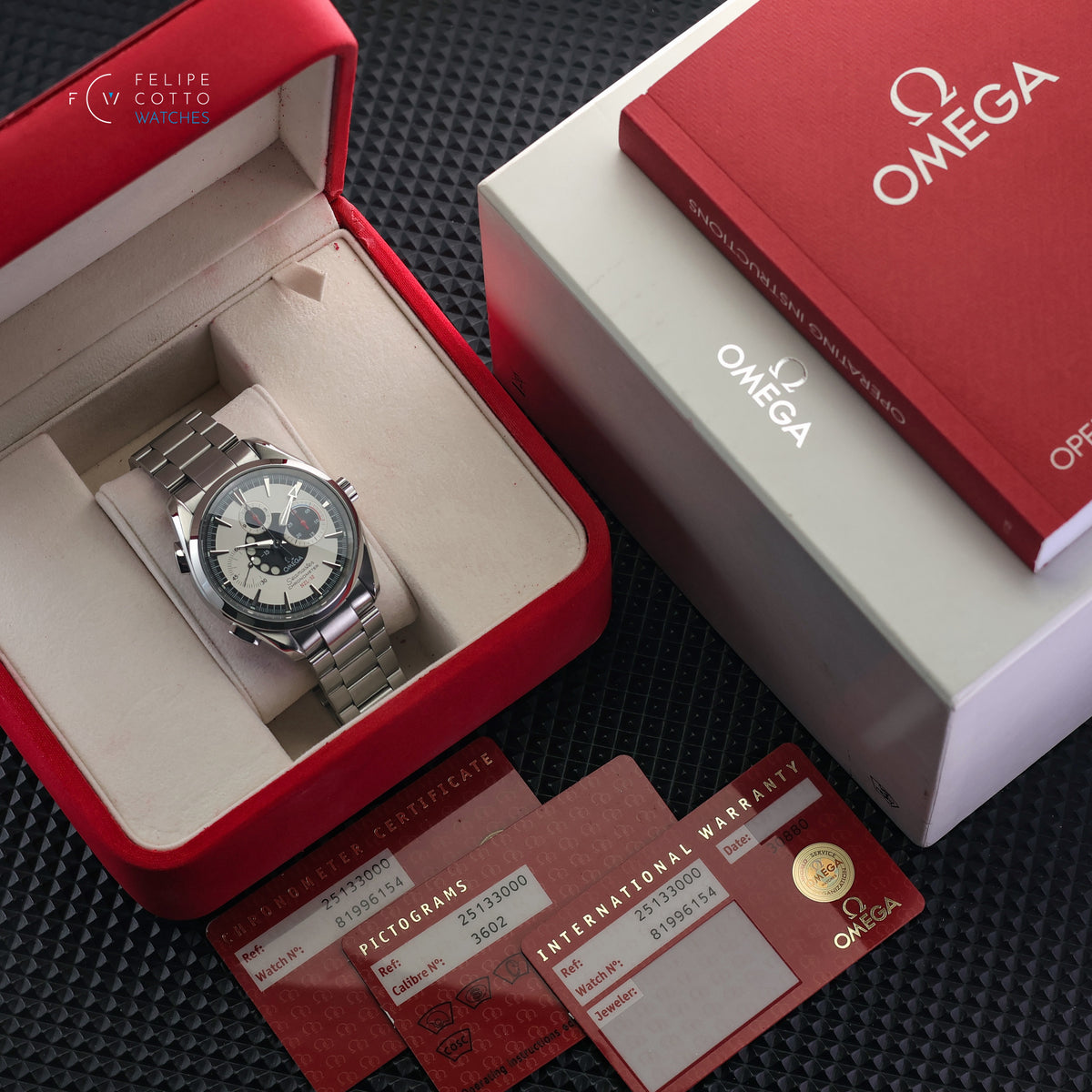
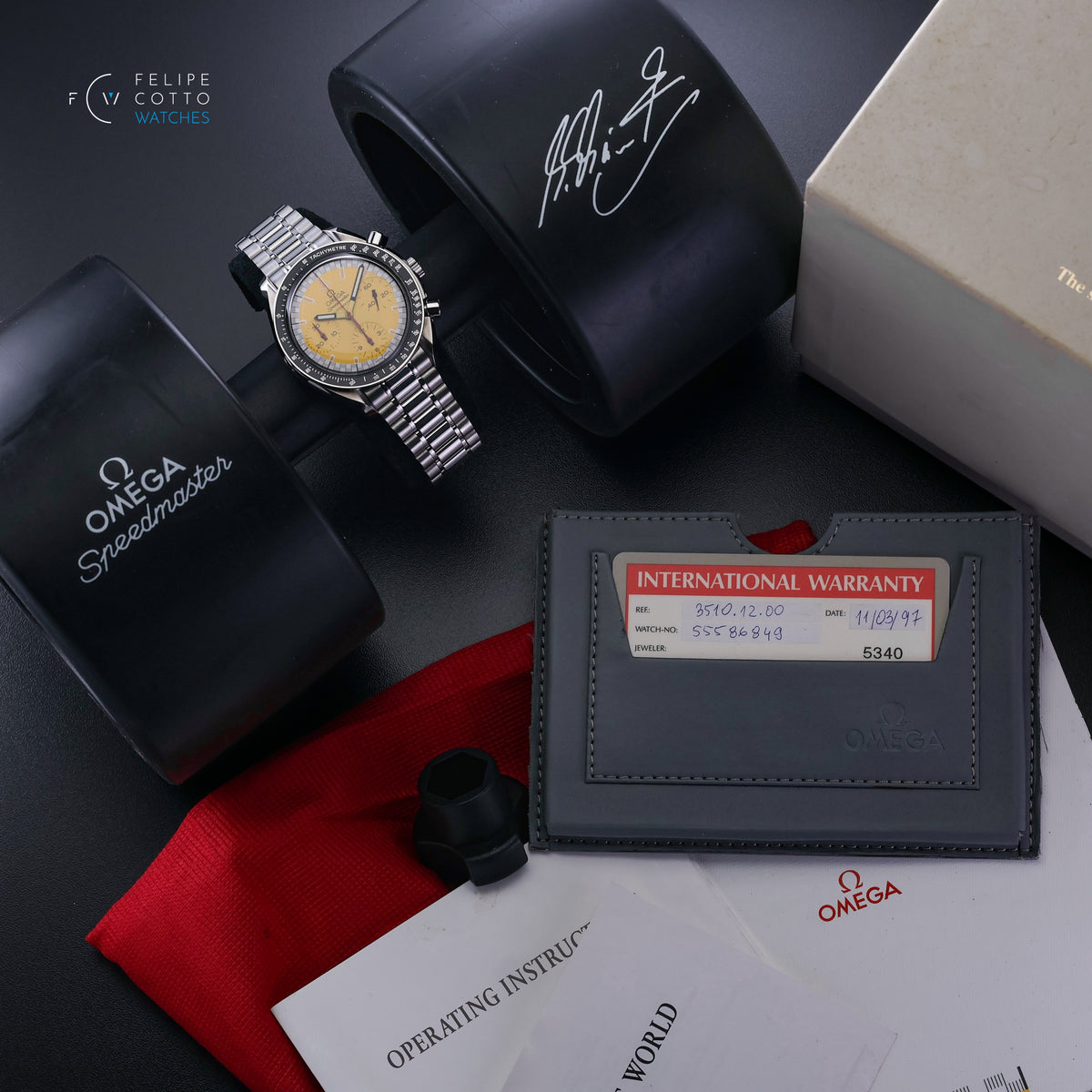
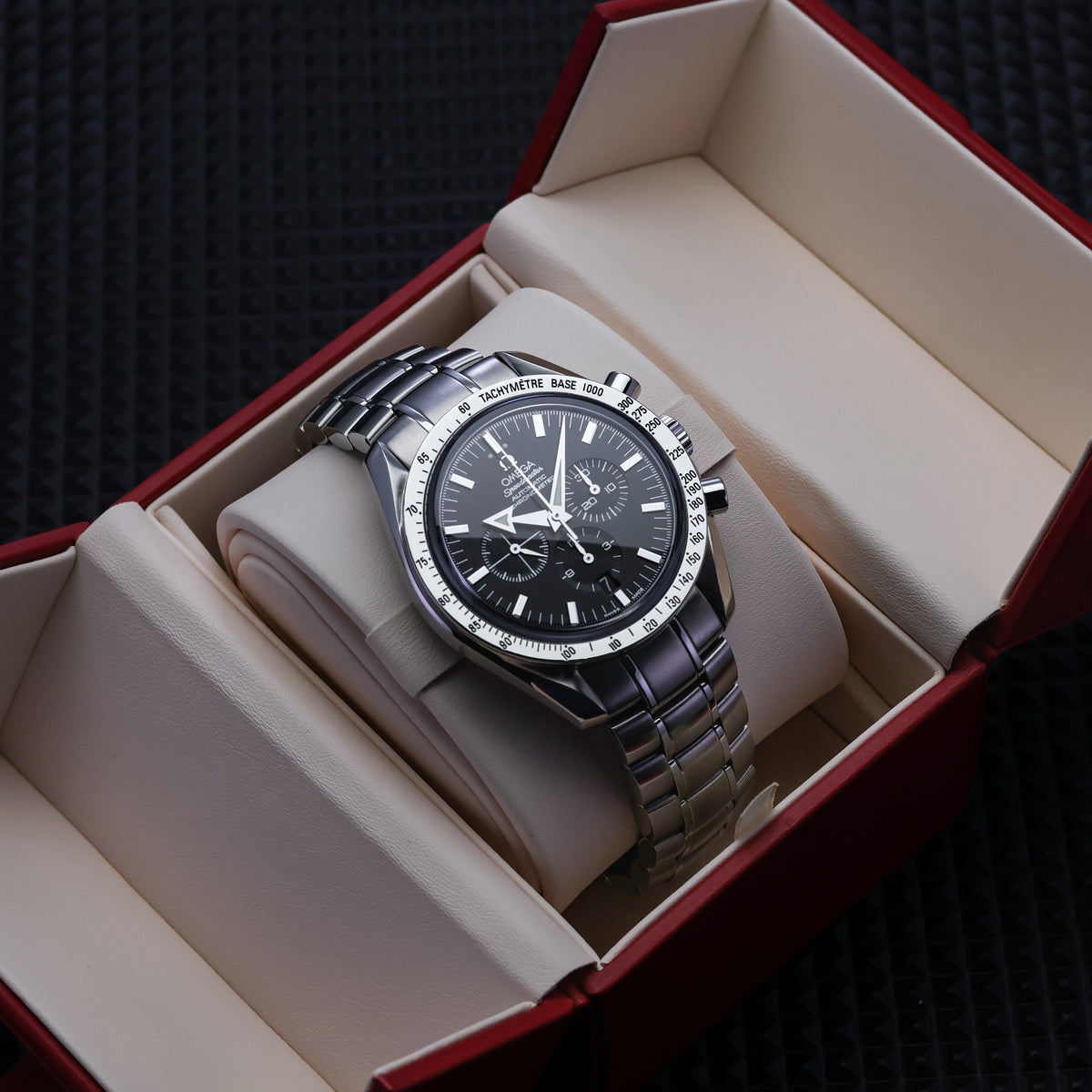
Omega is a symbol of prestige, reliable precision, and timeless elegance. Every watch from this brand highlights a sophisticated style, a passion for perfection, and a conscious choice of luxury that does not follow trends - it sets them.
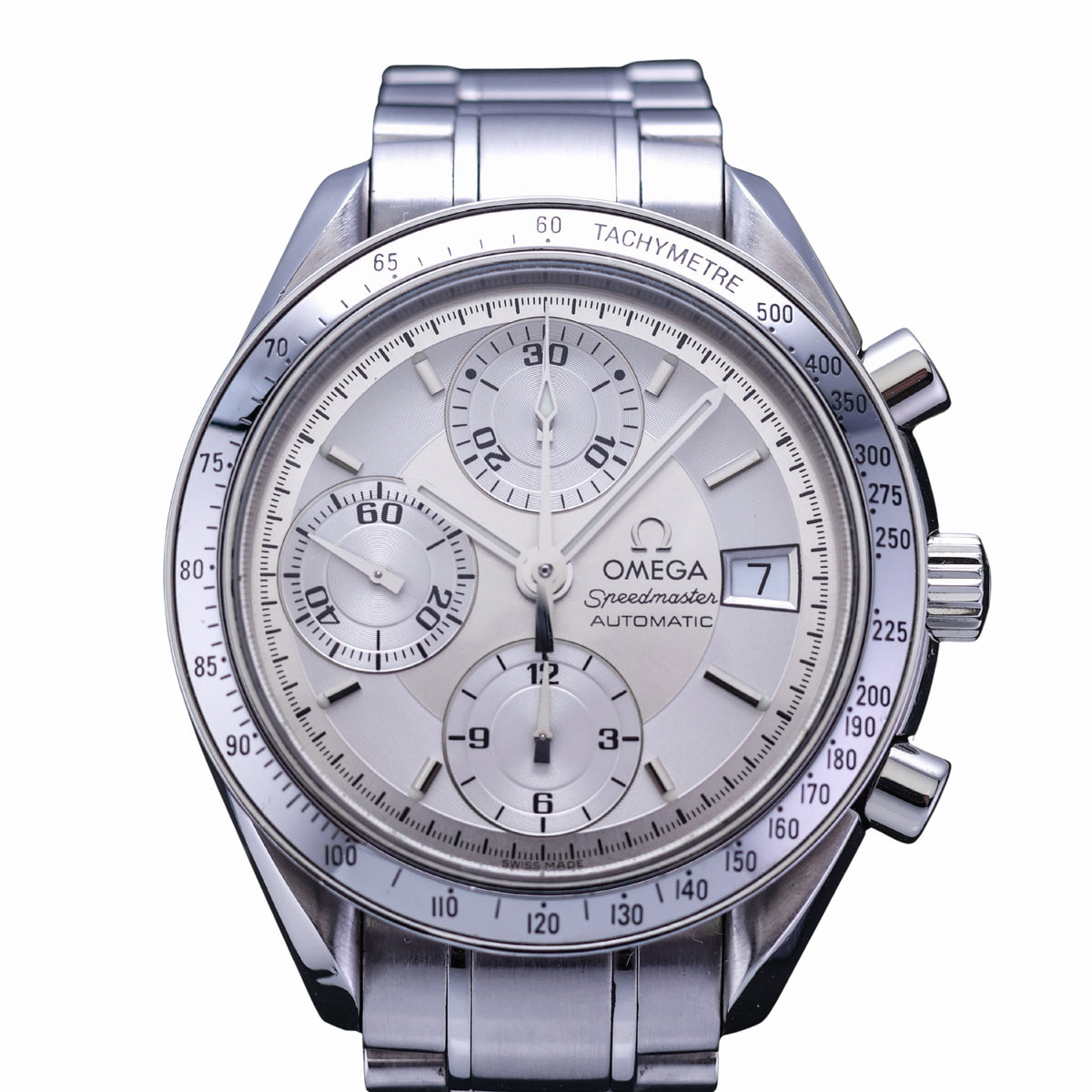
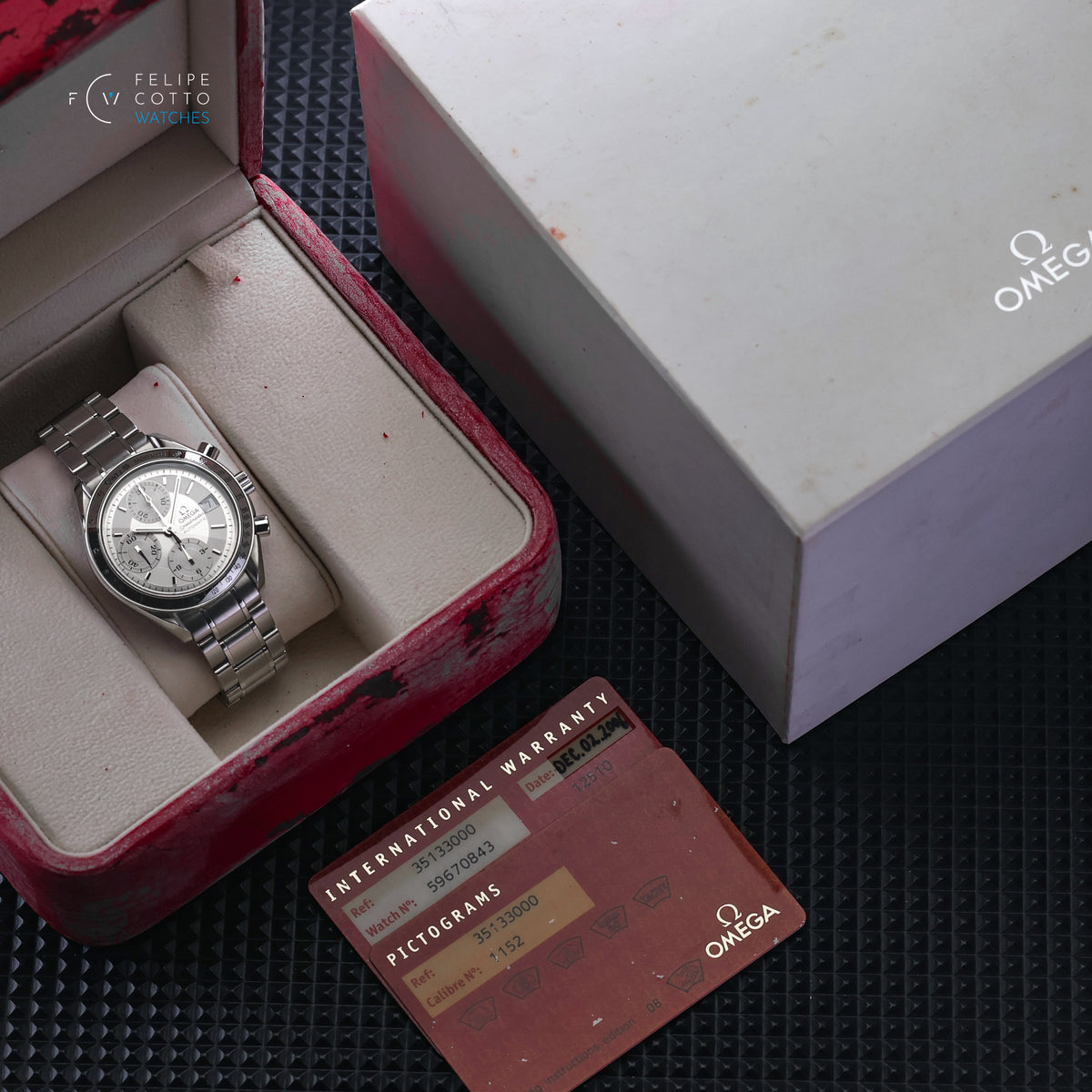
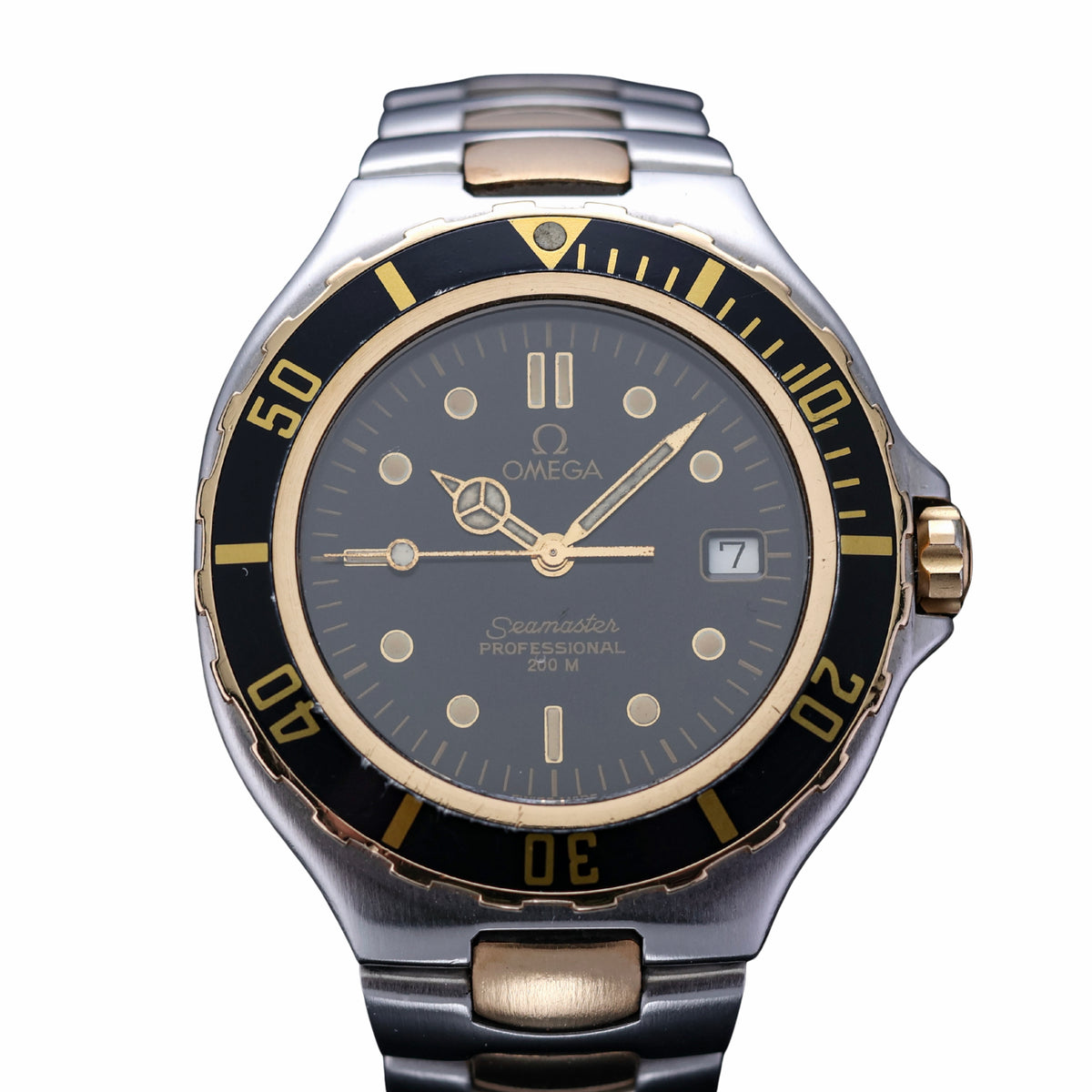

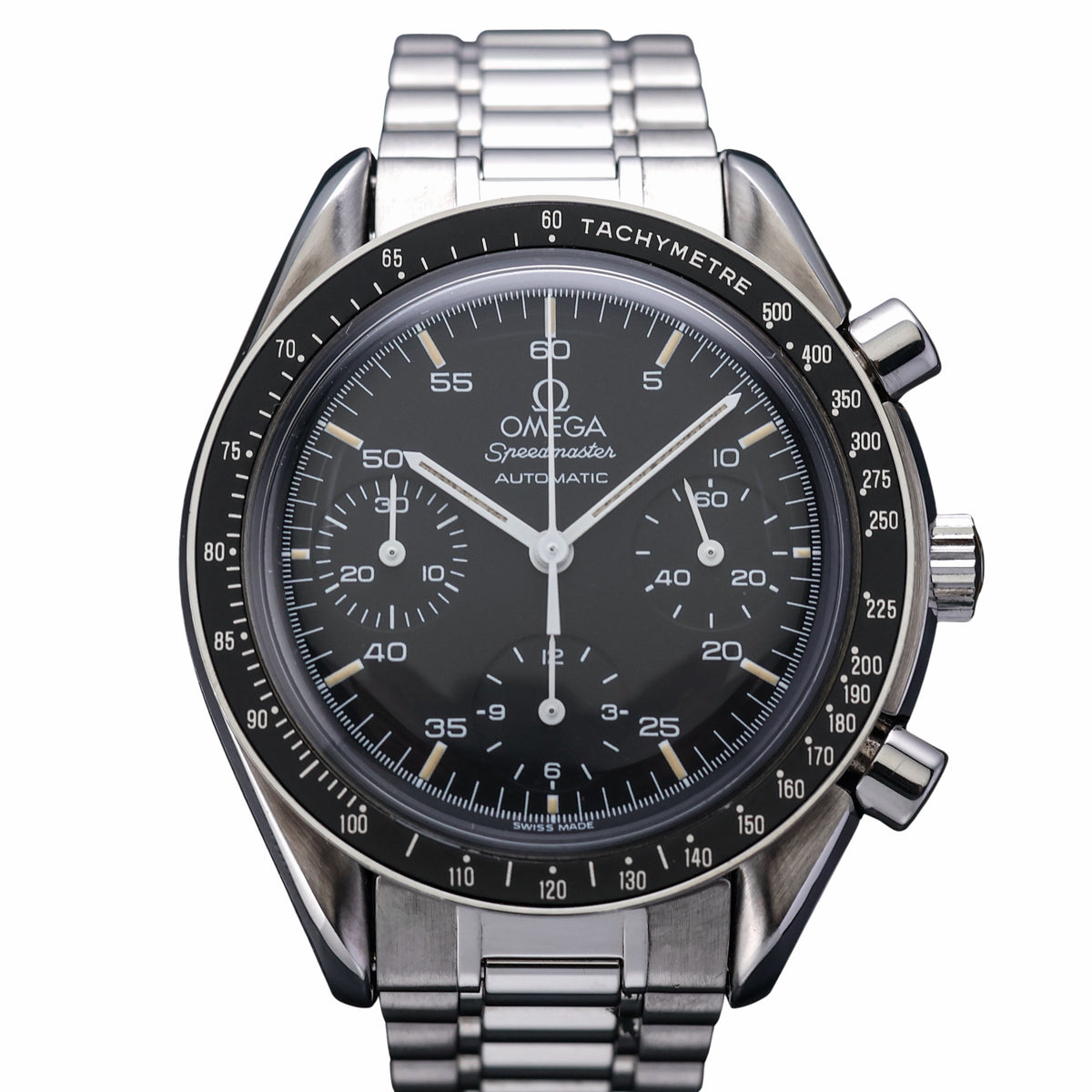











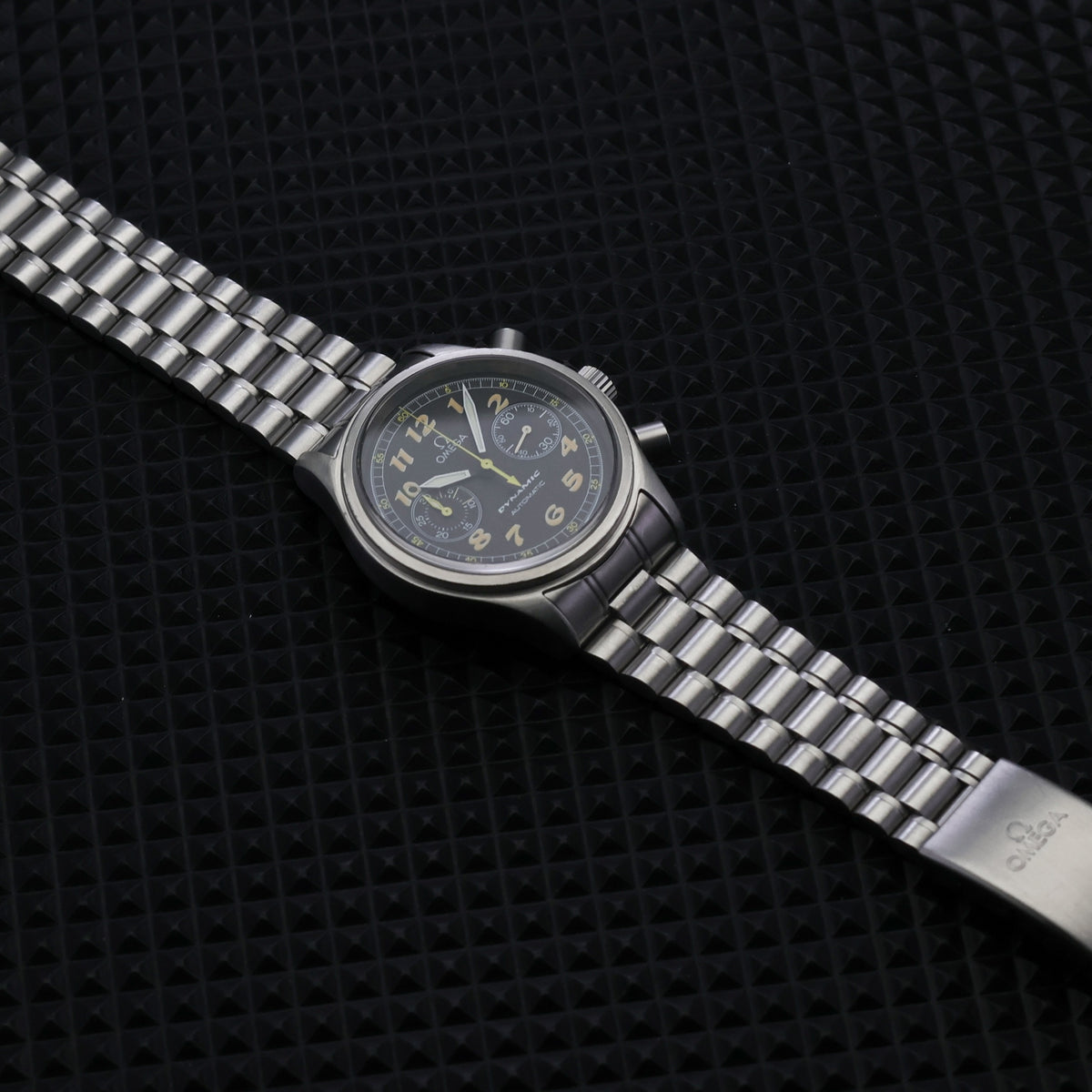

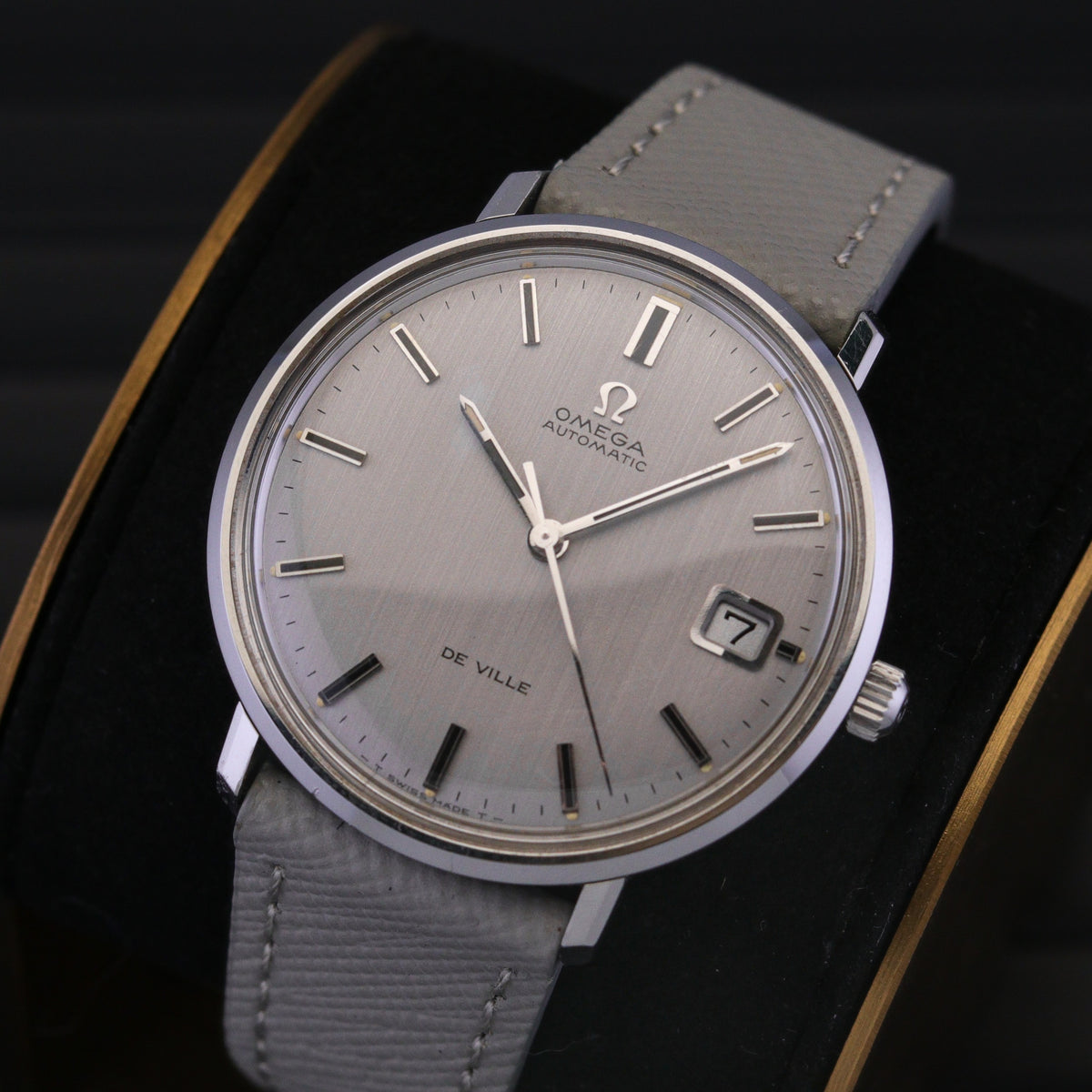

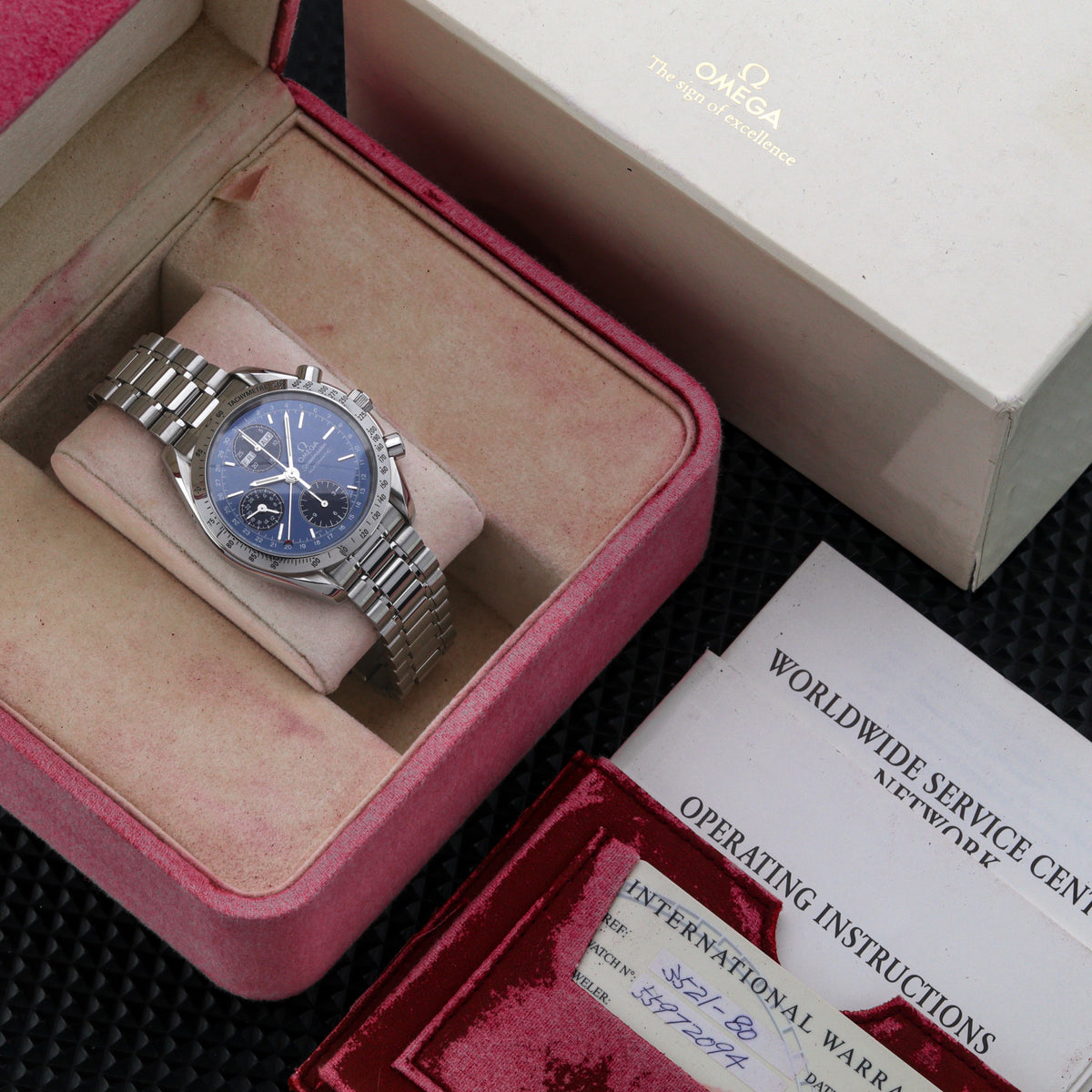

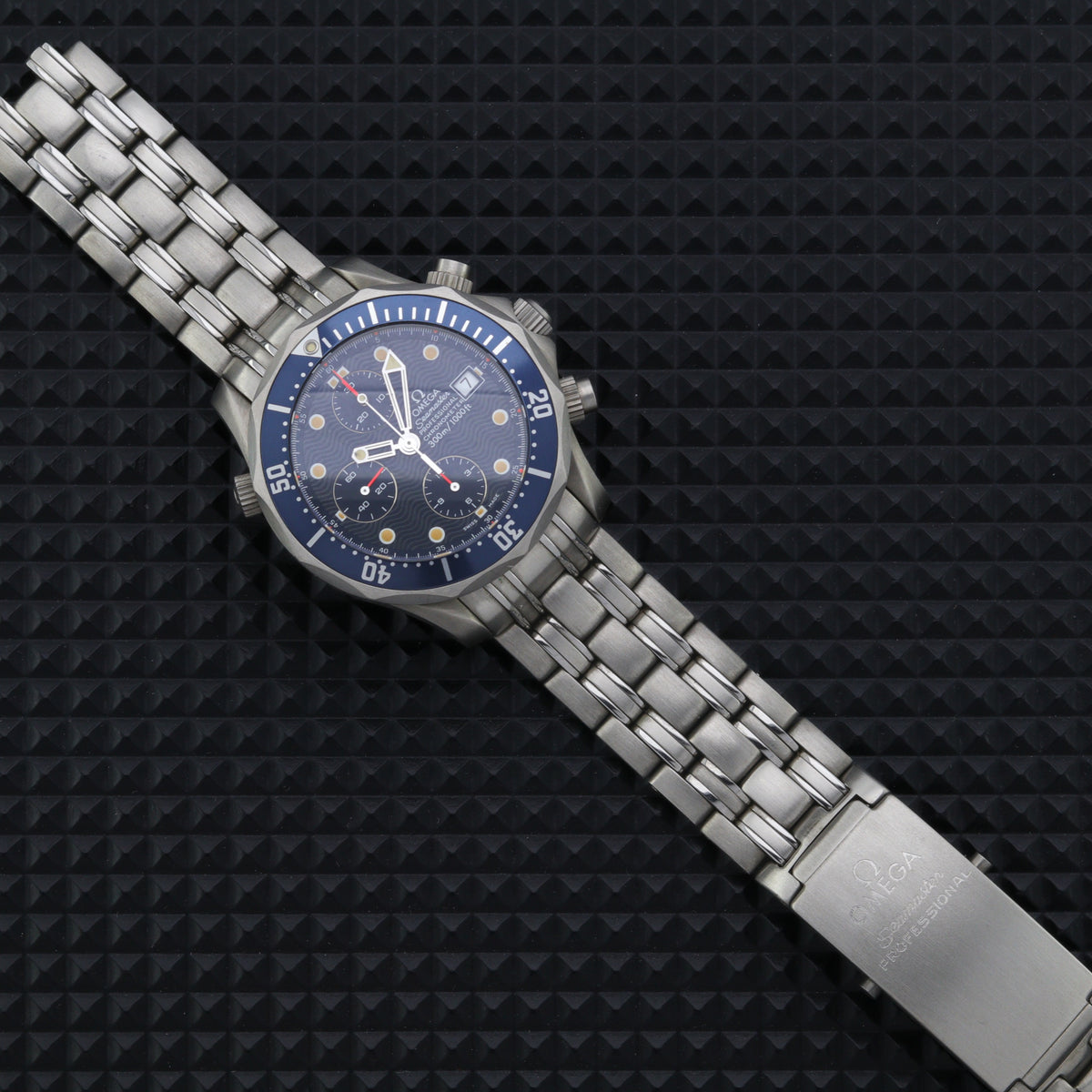


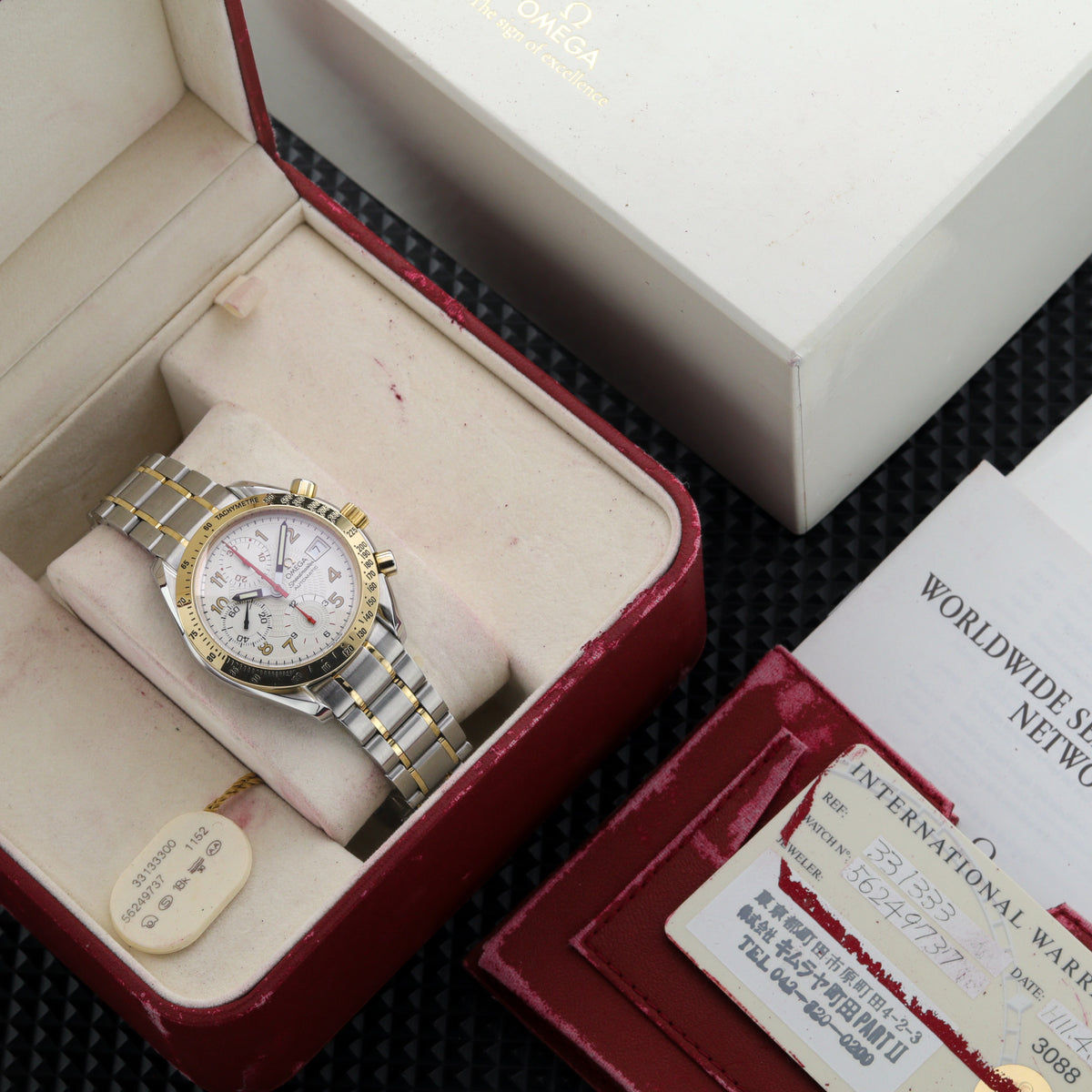

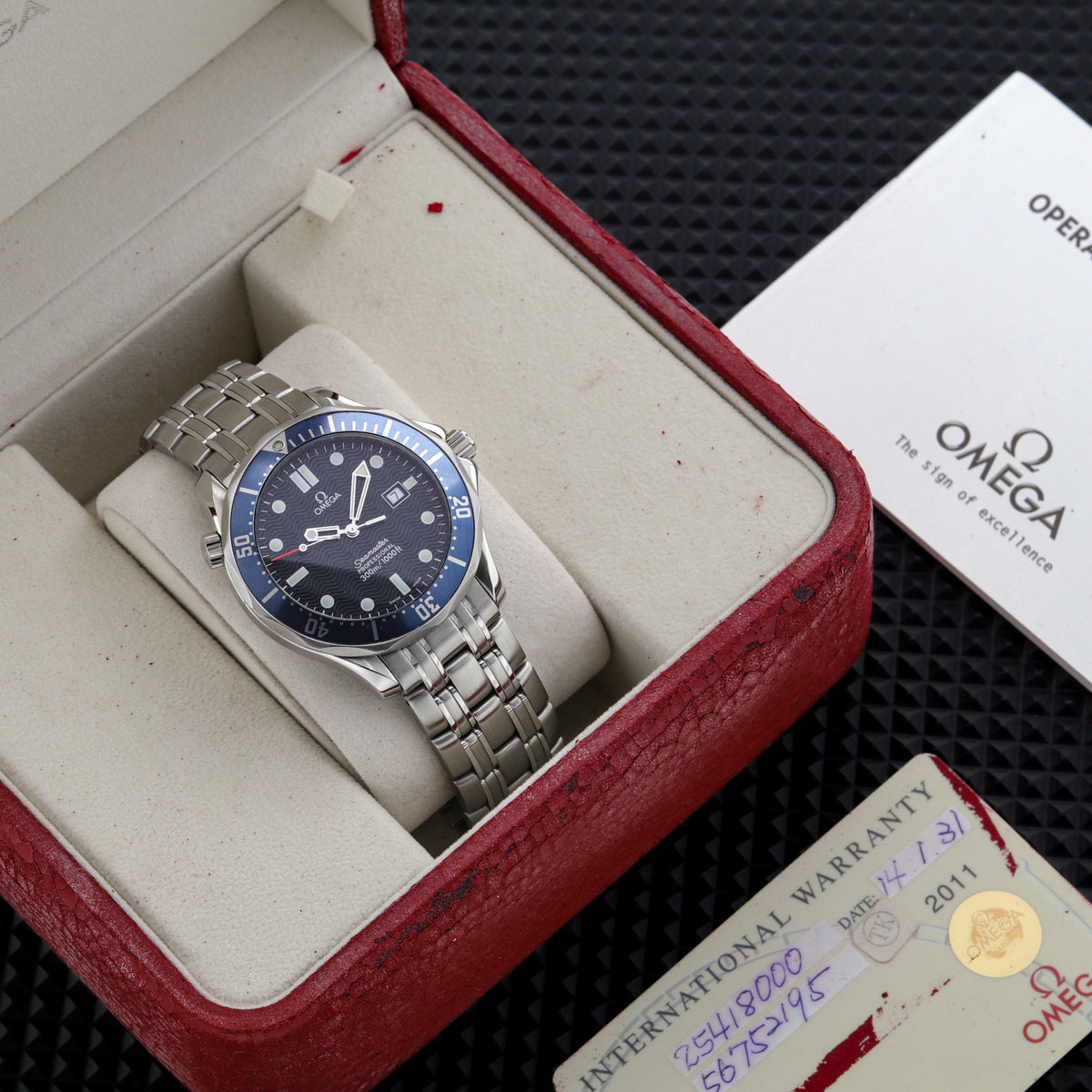
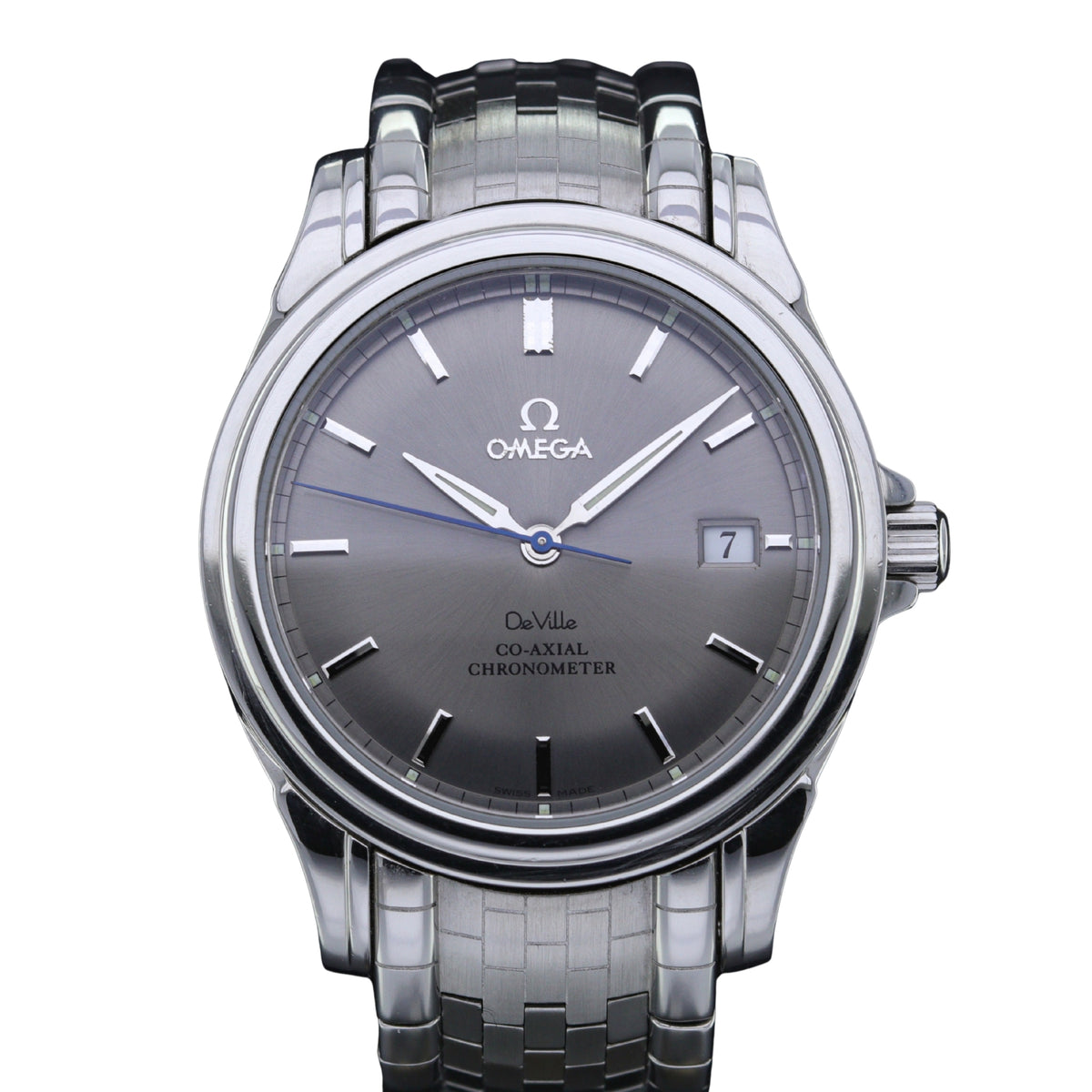
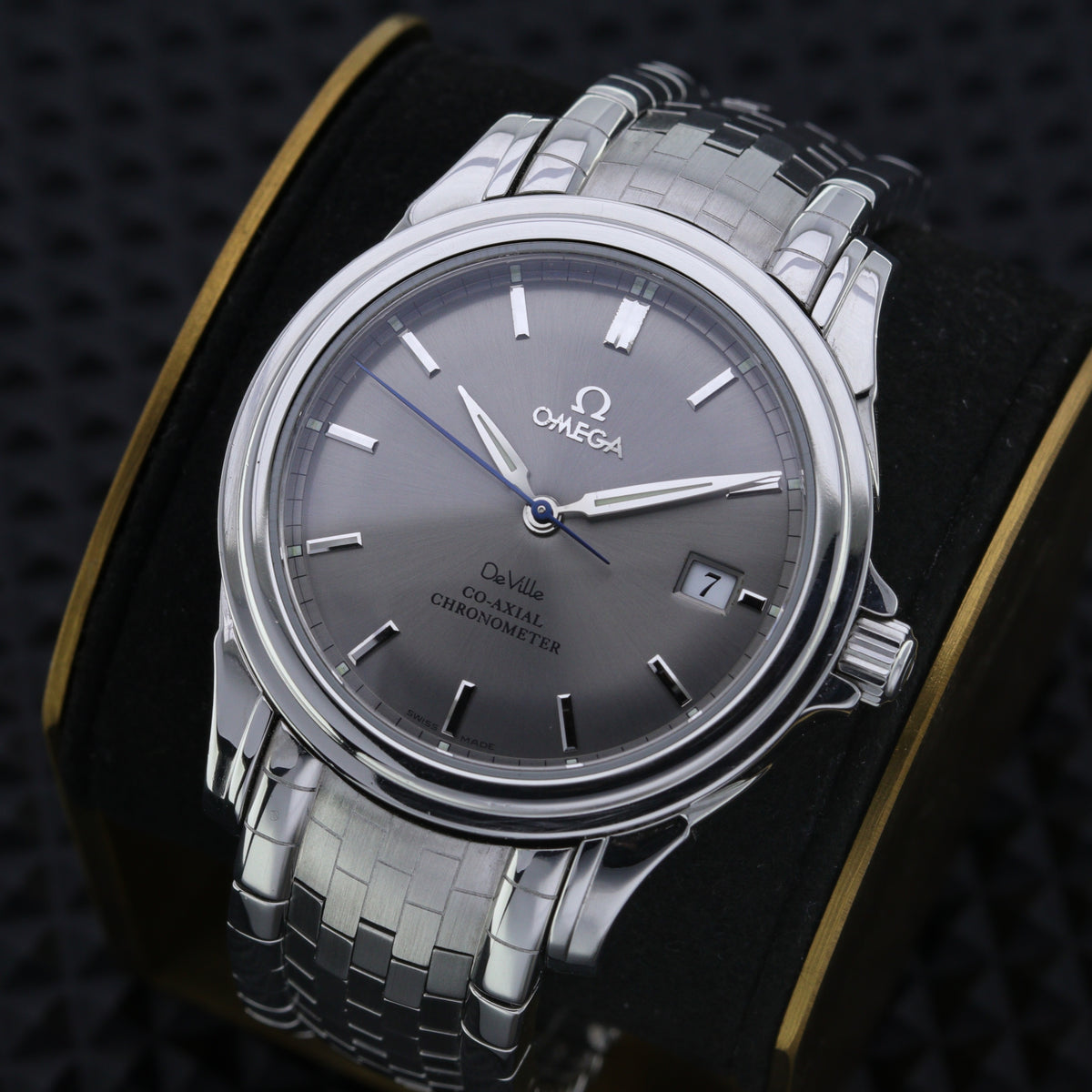



OMEGA
History by year

Brand origin
Louis Brandt founded a watchmaking workshop in La Chaux-de-Fonds, which would later grow into Omega. This is the starting point for the history of a brand that, in time, would combine Swiss precision with some of the most recognizable watches of the 20th century.

Omega movement
The "Omega" caliber is created — the movement from which the brand takes its name. The mechanism was designed with precision and ease of servicing in mind, which became an important step in building the company's modern identity.

Official Olympic timekeeper
For the first time, Omega serves as the official timekeeper at the Olympic Games in Los Angeles. This marks the beginning of the brand's long-standing relationship with sports, precision, and professional timekeeping.

The birth of the Seamaster
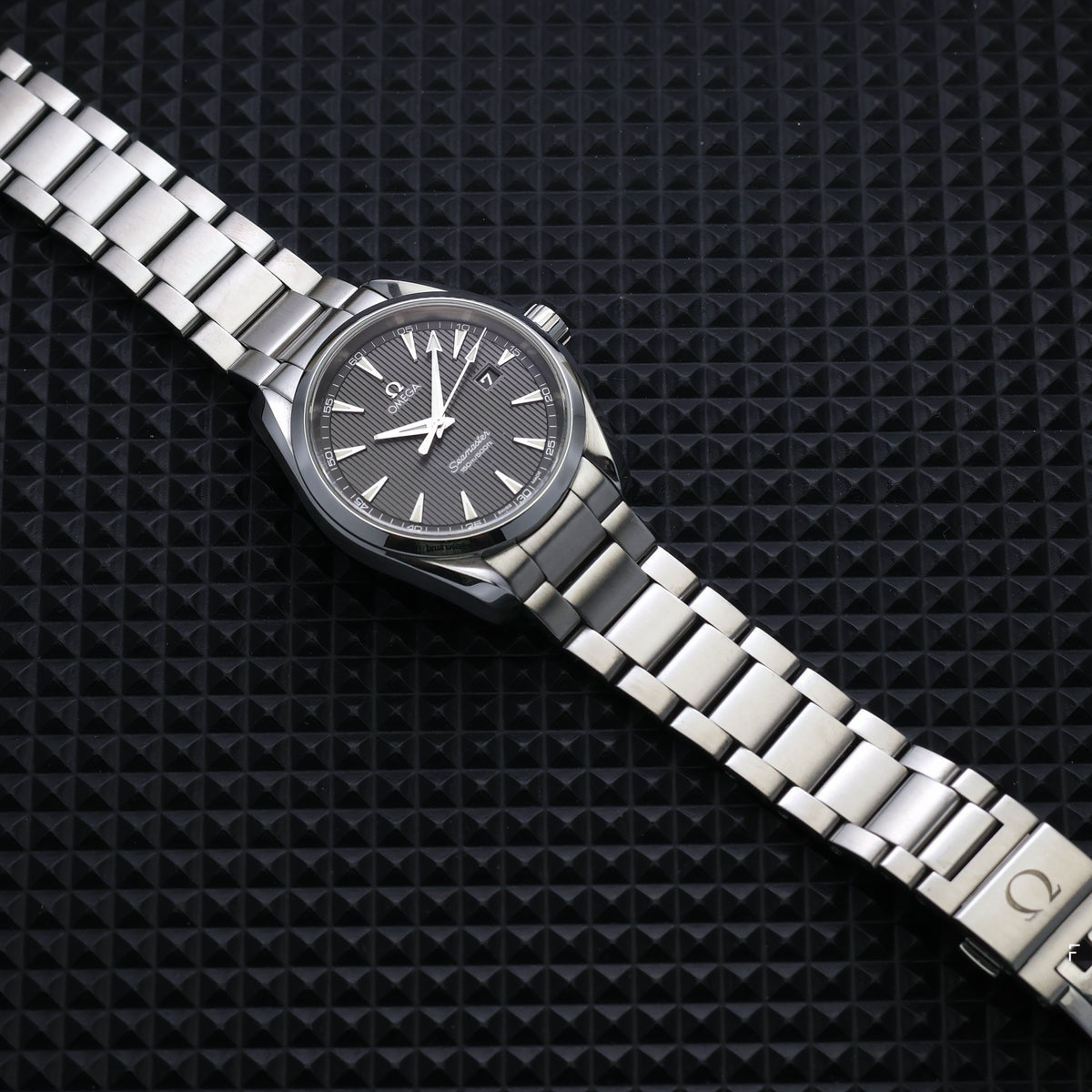
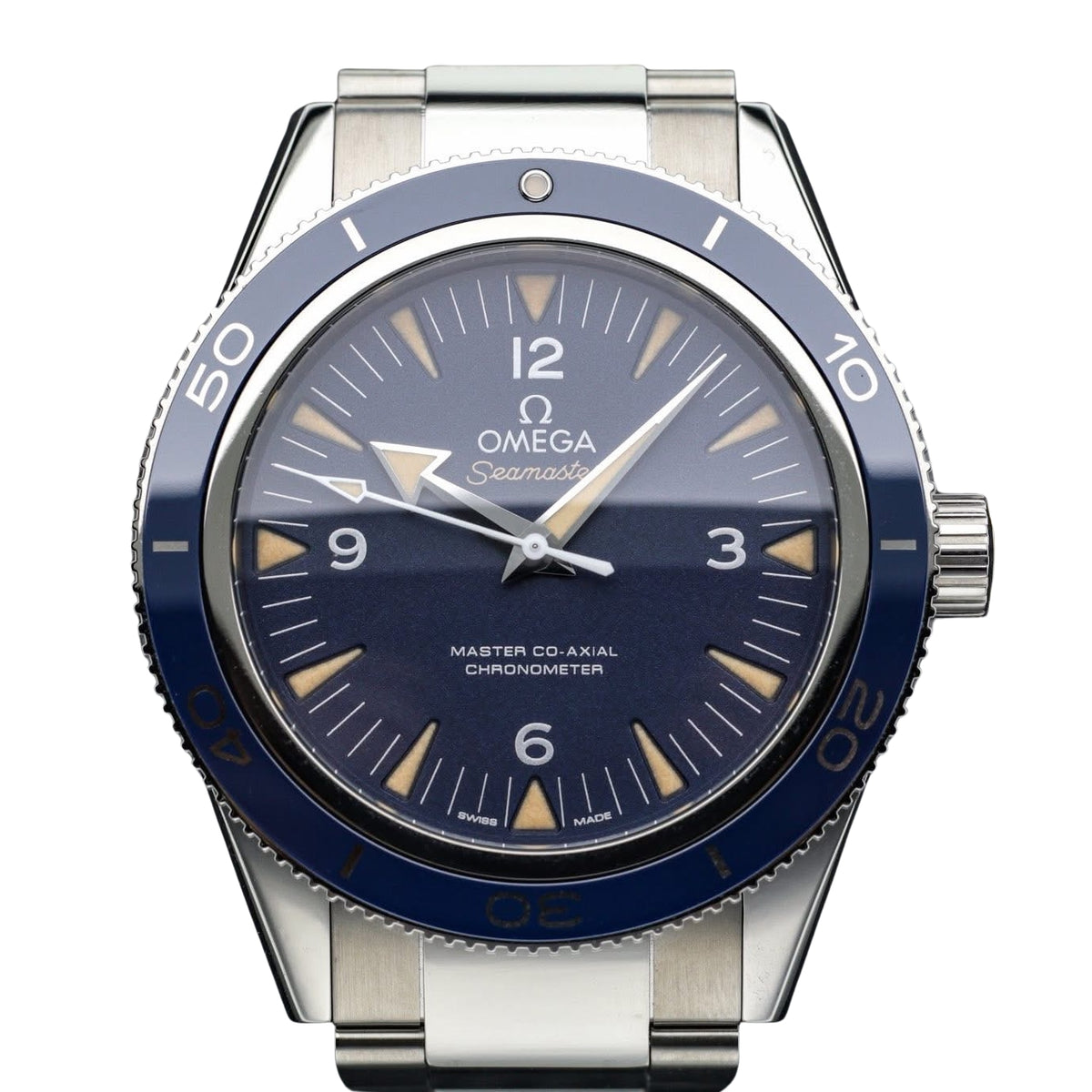
Omega presents the Seamaster — a line inspired by experience with military watches and focused on increased water resistance. Over time, the Seamaster becomes one of the brand's most important families of sports watches.

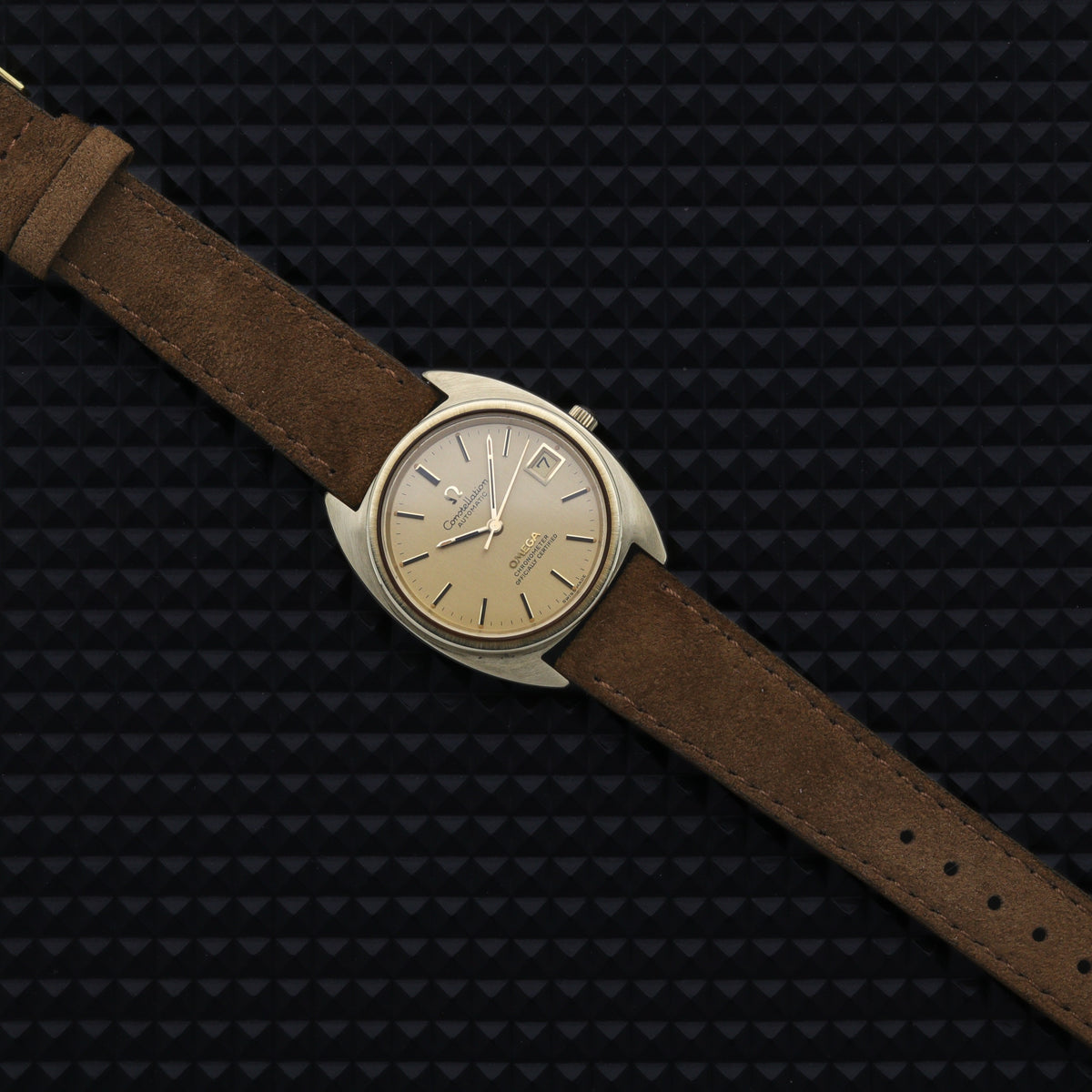
Constellation debut
The first Omega Constellation model hits the market, representing the more elegant and chronometric side of the brand. The line quickly becomes a symbol of precision in a classic edition.

Birth of a Professional Trilogy
In 1957, Omega introduced three models: the Speedmaster, the Seamaster 300, and the Railmaster. Each addressed different needs — timing short intervals, diving, and working in environments with magnetic fields. Pictured: a later version of the Seamaster 300, not the premiere 1957 model. Photograph: Clyde94 / Wikimedia Commons, "Omega Seamaster 300 militare", CC BY-SA 4.0 (https://creativecommons.org/licenses/by-sa/4.0/), square crop.

The first Omega in space
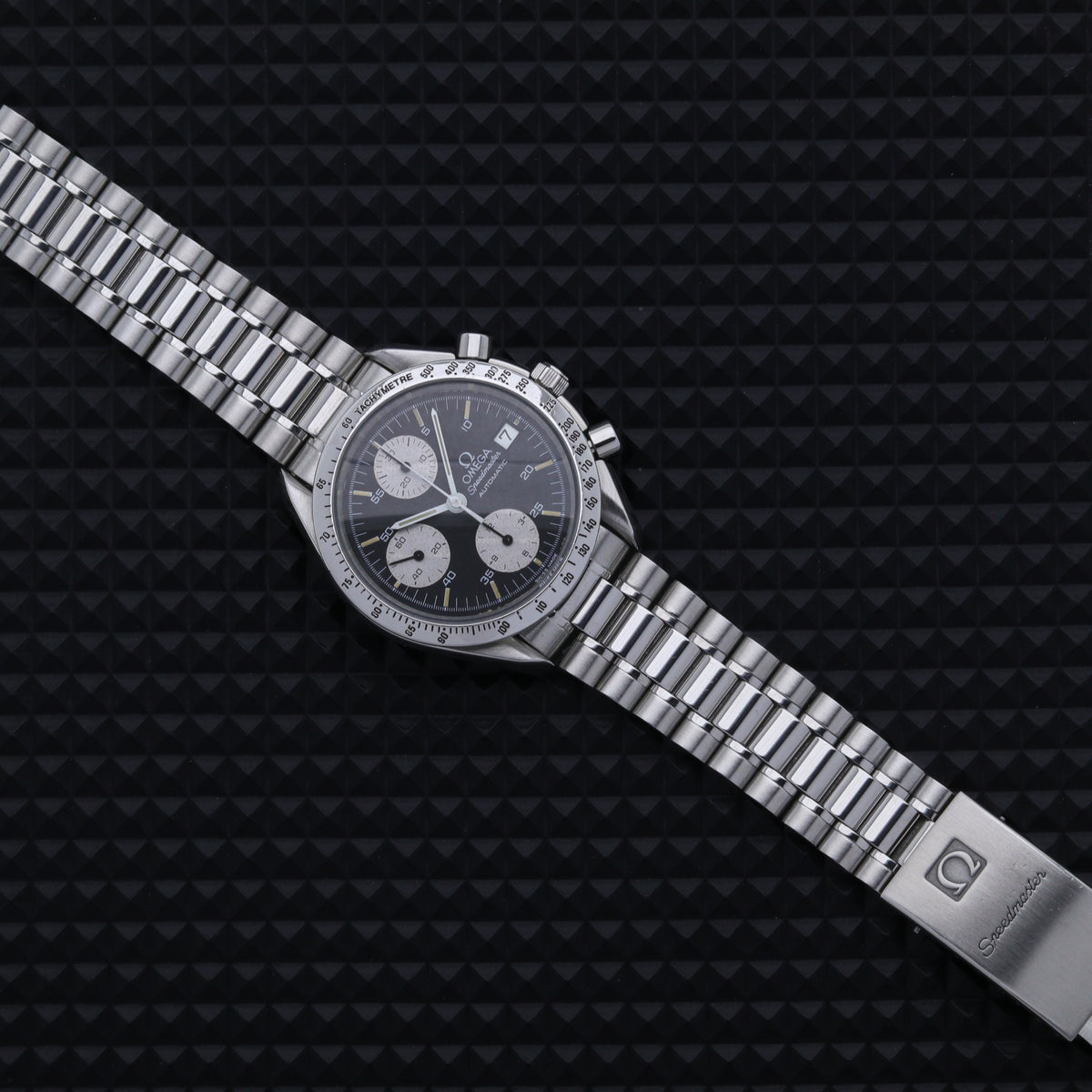
Astronaut Wally Schirra takes his own Speedmaster on the Mercury Sigma 7 mission. It is the first Omega watch in space and a significant moment that marks the beginning of the brand's relationship with manned spaceflight programs.

NASA qualifies the Speedmaster
On March 1, 1965, NASA qualified the Omega Speedmaster for all manned space missions. The decision was preceded by demanding resistance tests, including, among others, temperature, humidity, and shock. The author's illustration presents the symbolic context of laboratory testing, not a historical NASA device.

Moonwatch and Apollo 11
In July 1969, the Speedmaster Professional accompanied the Apollo 11 crew. Buzz Aldrin wore it during the first human lunar landing mission, cementing its nickname, the "Moonwatch." Pictured: a collector’s Speedmaster ref. 145.012-67 on a later bracelet, not the actual timepiece used during the mission. Photo: Shane Lin / Wikimedia Commons, "Vintage Omega Speedmaster 145.012-67", CC BY-SA 2.0 (https://creativecommons.org/licenses/by-sa/2.0/), square crop.

Apollo 13
During the Apollo 13 mission in 1970, the crew used the Speedmaster to time the 14-second engine burn required to correct their trajectory for the return to Earth. The watch became a part of the history of the astronauts' safe return. This original illustration references materials used in space technology; it does not depict Apollo 13 mission equipment.

Seamaster and James Bond
In 1995, the Seamaster appeared on James Bond’s wrist in the film "GoldenEye." This marked the beginning of Omega’s partnership with the cinematic agent 007, which has continued in subsequent productions. The original illustration evokes the evening elegance of spy cinema; it is not a frame from the film.

Co-Axial
In 1999, Omega launched a watch featuring the Co-Axial escapement. This solution reduces friction in the escapement and has become one of the pillars of the brand's mechanical caliber development. The original illustration depicts the symbolic context of micromechanical work, not a specific Co-Axial movement.

Master Chronometer
In 2015, Omega unveiled the first Master Chronometer certified watch. METAS testing requirements involve the complete watch and its movement, verifying, among other things, precision, resistance to magnetic fields, water resistance, and power reserve. The conceptual illustration depicts the symbolic context of laboratory testing, not an actual METAS test station.